Makar Sankranti 2026: Why Is It Celebrated Across India?
- Chinmayi Devi Dasi

- Jan 12
- 4 min read
Updated: Jan 14
Makar Sankranti 2026: Most people celebrate Makar Sankranti, but few know its true meaning. Read the deeper truth behind this sacred festival.

Makar Sankranti is not just a festival. It is a feeling that travels across India every January. In 2026, Makar Sankranti will be celebrated on 14 January, just like most years. The date remains steady because it follows the solar calendar, not the lunar one.
This festival marks a powerful shift in nature. The Sun moves into Makara Rashi (Capricorn) and begins its northward journey, known as Uttarayana. In simple words, days become longer, nights become shorter, and warmth slowly returns. Farmers, families, and spiritual seekers all see this as a sign of hope, renewal, and gratitude.
Why Makar Sankranti Is Spiritually and Culturally Important
The word Makara means Capricorn. Sankranti means movement. Together, Makar Sankranti means the movement of the Sun into Capricorn. In Hindu belief, this transition is very auspicious. It is said that during Uttarayana, positive energy on Earth increases.
Makar Sankranti is also deeply connected with Surya Dev, the Sun God. The Sun is worshipped as the giver of life, food, and energy. Without sunlight, there is no crop, no growth, and no survival. That is why farmers across India celebrate this festival with joy and pride.
It is also a harvest festival. Fields are full. Homes are warm. Hearts are grateful. Families come together, old fights are forgotten, and sweet food is shared. The famous idea behind Sankranti is simple: let go of bitterness and speak sweetly.

Makar Sankranti in Maharashtra: Til-Gul and Sweet Words
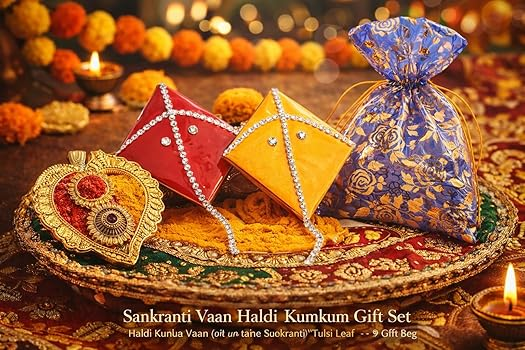
In Maharashtra, Makar Sankranti is celebrated over three days. Homes are cleaned, people wear new clothes, and kites fill the sky. Married women exchange haldi-kumkum and gifts.
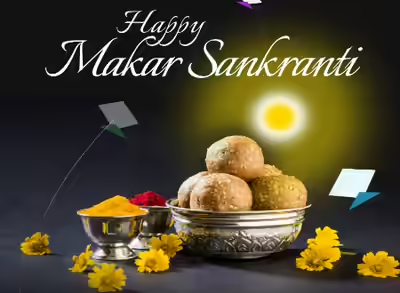
The most beautiful part is the saying, “Til-gul ghya, goad bola.” It means eat sesame and jaggery and speak sweet words. Sesame may look dark outside, but it is pure inside. The message is clear. Be humble. Be kind. Stay pure from within.
Special food includes til-gul laddoos, pooran poli, and halwa, all rich in jaggery, which gives warmth during winter.
Makar Sankranti in Tamil Nadu: Pongal
In Tamil Nadu, Makar Sankranti is celebrated as Thai Pongal, a four-day festival. The main day is dedicated to cooking sweet pongal using newly harvested rice, milk, and jaggery.
Families thank the Sun, the land, and the cattle. Cows are decorated and worshipped. Homes are decorated with beautiful kolams. Pongal is not rushed. It is calm, warm, and full of gratitude.
Here, Sankranti is about saying “thank you” to nature for everything it gives.
Makar Sankranti in Karnataka: Ellu Bella and Togetherness
In Karnataka, the festival is bright and social. People exchange ellu bella, a mix of sesame seeds, jaggery, coconut, peanuts, and sugarcane.
They greet each other by saying, “Ellu bella tindhu, olle maathadi.” It means eat sweet and speak sweetly.
Cows and bulls are decorated. Rangoli designs welcome guests. Newly married women follow special rituals that last for five years. The festival beautifully connects food, faith, and family.

Makar Sankranti in Andhra Pradesh and Telangana
In Andhra Pradesh and Telangana, Sankranti is a grand four-day celebration.
The first day, Bhogi, is about burning old things to welcome the new. The second day, Pedda Panduga, is the main festival with feasts and ancestor worship. The third day, Kanuma, honors cattle. The fourth day, Mukkanuma, thanks nature itself.
Haridasus go from house to house singing devotional songs. Rangolis made with flowers and natural colors cover village streets. The festival feels alive and deeply rooted.
Makar Sankranti in Gujarat and Rajasthan
In Gujarat, Sankranti is known as Uttarayan. The sky becomes a canvas of colorful kites. Families gather on rooftops from morning to sunset.
In Rajasthan, kite flying turns into a competition. Jaipur and Jodhpur host kite festivals. At night, glowing sky lanterns light up the sky.
Women gift items to other married women. Holy baths are taken. Traditional sweets like gajak, til laddoos, and gajar ka halwa are enjoyed with joy.

Makar Sankranti Across India and Beyond
In Punjab, it is celebrated as Maghi. In Assam, it is Magh Bihu. In West Bengal, it is Poush Sankranti. Nepal celebrates it as Maghe Sankranti. Thailand and Cambodia celebrate similar festivals called Songkran.
Different names. Different customs. But one feeling. Gratitude.
Why We Celebrated Makar Sankranti
Beyond being a harvest festival or a date on the calendar, Makar Sankranti marks a deep inner and cosmic shift. As you know, on this day, the Sun begins its northward movement, Uttarayana. In Sanatan wisdom, the Sun is not seen only as a celestial body, but as the source of life, consciousness, and divine order. When the Sun changes its direction, nature also begins to respond. Days slowly grow longer, warmth returns to the Earth, and life starts moving out of stillness. Our ancestors closely observed that this period brings renewed strength to the body and clarity to the mind. That is why Makar Sankranti was chosen as a moment to pause, express gratitude, and realign human life with nature.
Spiritually, this festival reminds us to move upward from within. Just as the Sun rises higher in the sky each day after Sankranti, humans are encouraged to rise above negativity, ego, and emotional heaviness. The cold months often bring silence and stagnation, not just outside but inside the human mind as well. Makar Sankranti symbolically ends that inner winter.
Rituals like worshipping Surya Dev, sharing sesame and jaggery, and letting go of old things are not blind traditions. They are gentle teachings. Sesame represents humility, jaggery represents sweetness in speech, and the act of renewal represents releasing old burdens.
The Deeper Message of Makar Sankranti 2026
Makar Sankranti teaches us to move forward, just like the Sun. Leave darkness behind. Choose warmth. Choose kindness. Choose growth.
In 2026, as you eat sesame sweets and watch kites fly, remember the real meaning. Life becomes sweeter when we speak sweetly. Growth begins when we let go of the old.
Makar Sankranti is not just a harvest festival. It is a festival of the soul.


Comments