7 Sacred Things to Keep in Your Puja Room for Positive Energy and Divine Blessings
- Chinmayi Devi Dasi

- Jun 2
- 4 min read
Discover 7 sacred things to keep in your puja room for positive energy, peace, prosperity, and divine blessings. Learn their spiritual significance.
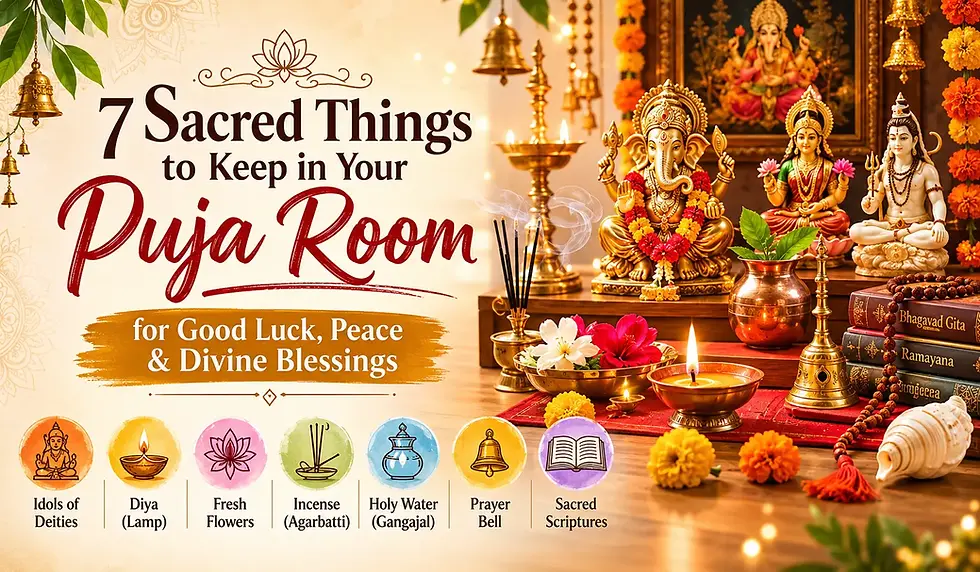
Have you ever noticed how a few moments in front of your home mandir can instantly calm your mind?
No matter how busy life becomes, the puja room remains a sacred corner where we connect with God, ourselves, and our inner peace. It is not just a place for rituals—it is a space where faith, gratitude, and positive energy come together.
According to Hindu traditions and Vastu principles, the objects placed inside a puja room can influence the spiritual atmosphere of the home. While devotion is always more important than objects, certain sacred items help create an environment that supports prayer, meditation, and positive vibrations.
If you are setting up a new mandir or improving your existing puja room, here are seven important things you should consider keeping there.
1. Idols or Pictures of Deities
The first and most essential element of any puja room is the presence of the divine.
Whether you worship Lord Ganesha, Maa Lakshmi, Maa Durga, Lord Shiva, Shri Ram, Radha-Krishna, Hanuman Ji, or your Ishta Devata, their idols or pictures become the spiritual center of your worship space.
Why They Matter
Help create a divine atmosphere.
Strengthen devotion and faith.
Serve as a focus point during prayer and meditation.
Inspire positive thoughts and righteous living.
Spiritual Insight
In Sanatan Dharma, the idol is not merely a statue. Through devotion and prayer, it becomes a medium through which devotees connect with the divine consciousness.
Important Tip
Keep the idols clean and respectful. Avoid placing damaged idols in the puja room. Many traditions also recommend keeping ancestor photographs in a separate place rather than inside the mandir.

2. Diya (Sacred Lamp)
A diya is one of the most powerful symbols in Hindu worship.
The moment a lamp is lit, darkness disappears. Spiritually, this represents the removal of ignorance and the awakening of wisdom.
Why Every Puja Room Should Have a Diya
Represents divine light.
Creates a peaceful atmosphere.
Enhances concentration during prayer.
Symbolizes victory of good over evil.
Daily Practice
Many families light a diya every morning and evening. Even a small lamp burning for a few minutes can transform the energy of the room.
The flame reminds us that just as a lamp burns to spread light, our lives should spread kindness, wisdom, and compassion.

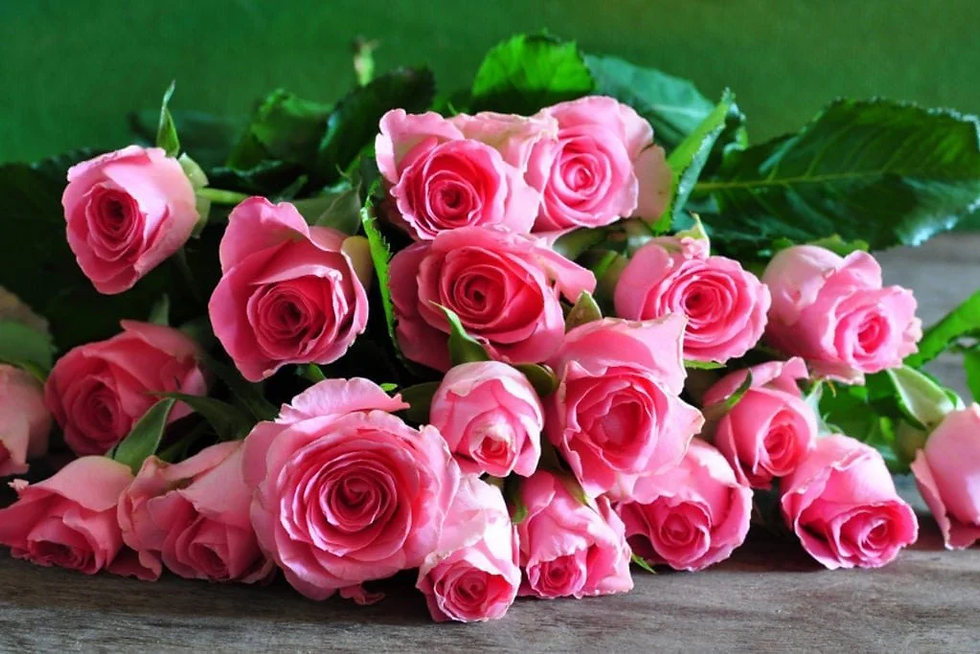
3. Fresh Flowers
Flowers have always been an inseparable part of Hindu worship.
When we offer flowers to God, we symbolically offer the purity of our hearts.
Benefits of Keeping Fresh Flowers
Enhance the beauty of the mandir.
Fill the room with natural fragrance.
Create a positive and uplifting environment.
Represent devotion, purity, and surrender.
Just as flowers bloom and spread fragrance without expecting anything in return, devotion teaches us selfless love.
4. Incense Sticks (Agarbatti) and Dhoop
The fragrance of incense has been used in temples and homes for centuries.
When incense burns, it fills the atmosphere with a soothing aroma that helps calm the mind and prepare it for worship.
Why Incense Is Important
Creates a sacred atmosphere.
Helps improve focus during meditation.
Symbolizes prayers rising toward the divine.
Makes the worship space more peaceful.

5. Holy Water (Gangajal)
Gangajal is considered sacred in Hindu tradition because the River Ganga is revered as a divine mother.
Many devotees keep a small container of Gangajal in their puja room.
Significance of Holy Water
Symbolizes purity.
Used during rituals and special prayers.
Represents spiritual cleansing.
Helps create a sacred environment.
Traditional Practice
A few drops of Gangajal are often sprinkled around the home before puja to sanctify the surroundings.
Spiritual Lesson
Water teaches humility. It always flows downward, reminding us that true wisdom comes with humility.

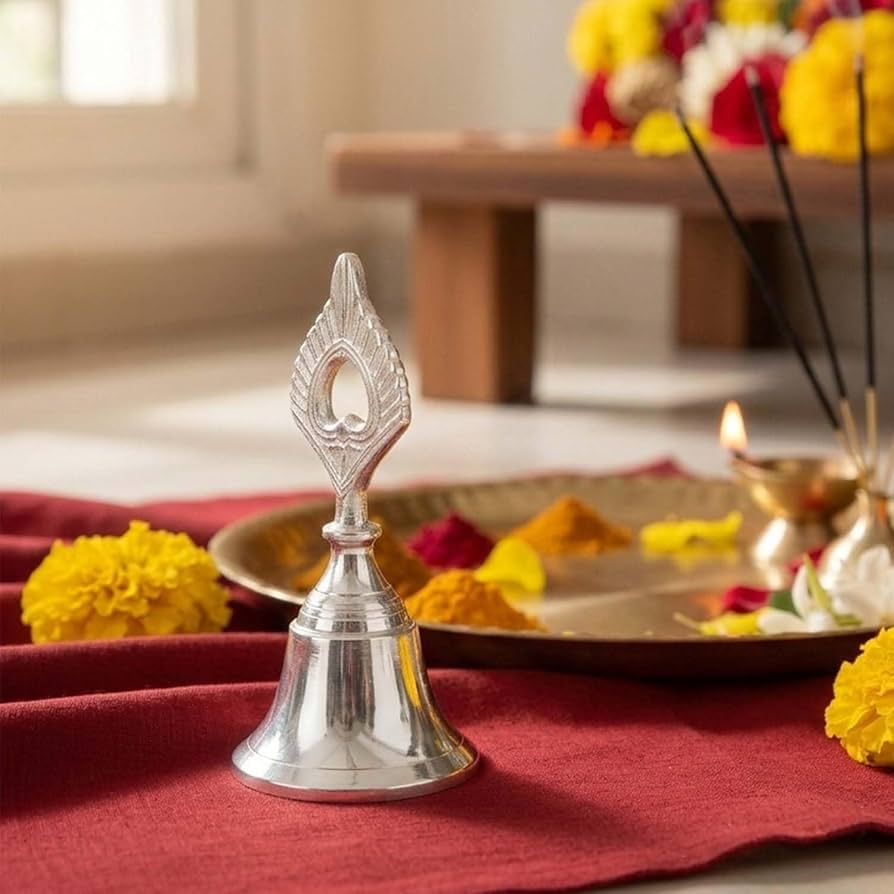
6. Prayer Bell (Ghanti)
The sound of a temple bell is instantly recognizable.
The gentle vibration created by ringing a bell before worship helps shift our attention from worldly concerns to spiritual awareness.
Why Keep a Bell in the Puja Room
Marks the beginning of worship.
Creates a devotional atmosphere.
Helps improve focus.
Symbolizes awakening of consciousness.
7. Sacred Scriptures and Spiritual Books
A puja room is not only a place of worship but also a place of learning.
Keeping sacred texts encourages regular study and reflection.
Scriptures You Can Keep
Bhagavad Gita
Ramayana
Hanuman Chalisa
Vishnu Sahasranama
Shiv Purana
Devi Mahatmya
Reading even one verse daily can gradually transform thoughts, habits, and perspectives.

Additional Sacred Items Many Families Keep
Depending on family traditions, you may also keep:
Shankh (Conch Shell)
Tulsi Leaves
Rudraksha Mala
Kalash
Puja Thali
Om or Swastik Symbol
These items are often considered auspicious and are commonly used during worship.
Things You Should Avoid Keeping in the Puja Room
To maintain purity and positivity:
Broken idols
Torn religious books
Dry or stale flowers
Cluttered items
Footwear
Unnecessary storage materials
A clean and organized mandir naturally creates a more peaceful atmosphere.
7 Sacred Things to Keep in Your Puja Room: Final Thoughts
The true power of a puja room does not come from expensive decorations or grand rituals. It comes from sincere devotion.
A simple mandir filled with faith can become the most powerful place in a home.
The seven sacred items—deity idols, diya, flowers, incense, holy water, prayer bell, and spiritual scriptures—help create an environment where peace, positivity, and divine blessings naturally flourish.
When combined with daily prayer, gratitude, and a pure heart, these sacred elements transform a small corner of your house into a gateway to spiritual growth and inner happiness.



Comments