Sawan 2026: 5 Mistakes to Avoid During the Holy Month of Lord Shiva


The sacred month of Sawan (Shravan Maas) 2026 has begun, bringing with it a wave of devotion, fasting, prayers, and spiritual discipline. For millions of devotees, Sawan is not just a month on the calendar—it is a time to strengthen their connection with Lord Shiva and Goddess Parvati.
According to Hindu scriptures and traditional beliefs, Lord Shiva is especially pleased during this month and blesses devotees who worship him with sincerity and purity. However, Sawan is not only about offering water to the Shivling or observing fasts. It is also about maintaining purity in thoughts, food habits, and daily conduct.
Why Is Sawan Considered So Sacred?
According to Hindu tradition, the month of Shravan is dedicated entirely to Lord Shiva. During this period, devotees perform Rudrabhishek, chant Shiva mantras, observe fasts, and visit Shiva temples.
The spiritual significance of Sawan is also connected to the Samudra Manthan (Churning of the Ocean). When the deadly poison Halahala emerged from the ocean, Lord Shiva consumed it to save the universe. To reduce the effect of the poison, the gods offered him water. This is why devotees continue the tradition of offering water and milk to the Shivling during Sawan.
Many scriptures suggest that spiritual practices performed during this month yield greater benefits because the mind naturally becomes more receptive to devotion and self-discipline.
Avoid Tamasic Food During Sawan 2026
One of the most important rules during Sawan relates to food.
Traditional Hindu beliefs recommend avoiding tamasic foods, which are said to increase restlessness, laziness, and negative tendencies.
Foods commonly avoided during Sawan include:
Onion, Garlic, meat, and fish, Eggs
Alcohol, Tobacco and intoxicants
Instead, devotees are encouraged to consume satvik food, such as fruits, milk, curd, nuts, vegetables, and simple homemade meals.
The purpose behind this practice is not merely dietary. Satvik food is believed to calm the mind, improve concentration, and support spiritual growth. When the body feels light and pure, prayer and meditation become easier.
Things You Should Not Offer on a Shivling
Many devotees perform Shiva Abhishek every Monday during Sawan. However, not everything can be offered to the Shivling.
Avoid Offering Turmeric and Kumkum
Turmeric and kumkum are traditionally associated with feminine beauty and married women. Since the Shivling represents Lord Shiva's ascetic form, these items are generally not offered during Shiva worship.
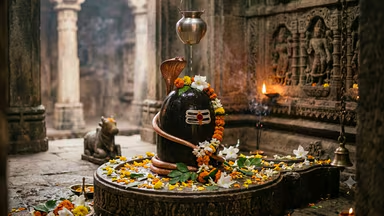
Do Not Offer Tulsi Leaves
Tulsi is considered extremely sacred and is beloved to Lord Vishnu. According to traditional beliefs and Puranic stories, Tulsi leaves should not be offered to Lord Shiva.
Avoid Ketaki Flowers
The Ketaki flower is also avoided in Shiva worship. According to a well-known legend from the Shiva Purana, the flower once gave false testimony, leading Lord Shiva to reject its use in his worship.
Never Offer Damaged Bel Leaves
Bel Patra is among the most beloved offerings to Lord Shiva. However, devotees should ensure that the leaves are:
Fresh, Clean, Unbrokenand Free from insect damage
Offering torn or damaged Bel leaves is traditionally considered improper.
The Right Way to Offer Milk to Lord Shiva
Offering milk to the Shivling is one of the most common rituals during Sawan. However, many people are unaware that the vessel used for milk also matters.
Traditional beliefs suggest that milk should not be kept in a copper vessel before being offered to the Shivling. Copper may react with milk and alter its properties.
Instead, devotees generally use:
Steel vessels
Silver vessels
Brass vessels
Copper vessels are considered ideal for offering water but not milk.
While the ritual itself is symbolic of devotion, following these traditional guidelines helps preserve the sanctity of the worship process.

Daily Life Rules to Follow During Sawan
Apart from worship and food habits, several lifestyle practices are traditionally observed during Shravan Maas.
Avoid Haircuts and Nail Cutting
Many devotees avoid cutting their hair, beard, or nails during Sawan, particularly on fasting days and Mondays.
This practice is associated with maintaining spiritual discipline and minimizing focus on physical appearance during a month dedicated to devotion.
Avoid Excessive Body Massage with Oil
Traditional beliefs advise avoiding oil massages during Sawan, especially on Sundays. The month is considered a period of austerity and simplicity rather than physical indulgence.
Do Not Oversleep During the Day
Sleeping excessively during daytime is discouraged in many spiritual traditions.
Instead, devotees are encouraged to spend their time in:
Chanting "Om Namah Shivaya"
Reading Shiva Purana
Meditation
Listening to devotional hymns
Visiting temples
The idea is to utilize this spiritually powerful period for self-improvement and devotion.

A Simple Sawan Practice Anyone Can Follow
Even if you cannot observe a strict fast, you can still connect with the spiritual energy of Sawan by:
Offering water to a Shivling every morning
Chanting "Om Namah Shivaya" 108 times
Consuming satvik food
Helping the needy
Practicing honesty and kindness
Spending a few minutes in silent meditation
These simple acts can make Sawan a deeply meaningful spiritual journey.
Final Thoughts
Sawan 2026 is a beautiful opportunity to slow down, reconnect with faith, and invite positivity into life. While rituals and traditions are important, their deeper purpose is to cultivate purity, discipline, and devotion.
By avoiding tamasic foods, following the proper rules of Shiva worship, and maintaining a mindful daily routine, devotees can make the most of this sacred month and seek the blessings of Lord Shiva and Goddess Parvati.
As devotees often say:
"Bhakti is not just about what we offer to God; it is also about what we choose to give up for spiritual growth."
Har Har Mahadev!


Comments