Kashi Tamil Sangamam 4.0: Bridging North and South India Through Language and Culture
- Chinmayi Devi Dasi

- Dec 6, 2025
- 4 min read
Step into the sacred journey of Kashi Tamil Sangamam 4.0, where devotion, culture, and language unite hearts from Kashi to Tamil Nadu.

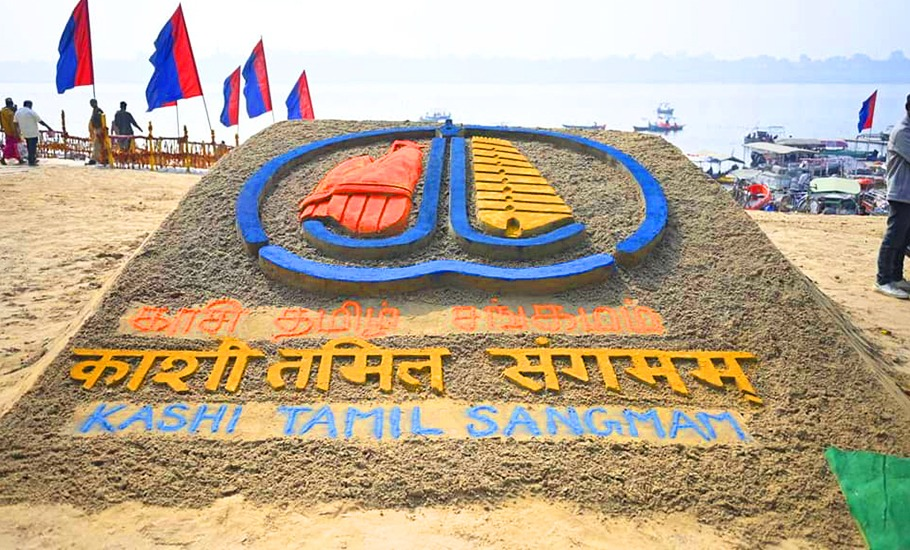
The Kashi Tamil Sangamam 4.0 is far more than a cultural event. It is a celebration of the eternal bond that unites the spiritual heart of India with its linguistic and cultural diversity. This sacred confluence, which has existed in the imagination and journeys of devotees, scholars, and pilgrims for centuries, represents a bridge between Kashi (Varanasi), the northern abode of Lord Shiva, and the rich Tamil heritage of the south.
For countless generations, the journey between Tamil Nadu and Kashi was never merely physical; it was a movement of ideas, philosophies, and spiritual wisdom, a living exchange of devotion and tradition. The Sangamam brings this timeless relationship to life, reviving the flow of spiritual energy, cultural knowledge, and language that has quietly shaped the civilizational fabric of India.
The Beginning of Kashi Tamil Sangamam
The Kashi Tamil Sangamam was launched in 2022, during Azadi Ka Amrit Mahotsav, a time when India celebrated 75 years of independence while reconnecting with its timeless civilizational roots. The initiative emerged from a desire to strengthen cultural continuity, highlighting the profound connections that have existed between Tamil Nadu and Kashi for centuries.
The legend behind this connection is deeply spiritual. According to Puranic accounts, Tamil saints, scholars, and devotees of Lord Shiva often undertook pilgrimages to Kashi to seek knowledge, spiritual guidance, and divine blessings. Temples in Kashi have long been associated with Tamil inscriptions, rituals, and devotees who brought their own Tamil bhakti traditions, creating a sacred cultural dialogue between north and south India.
The Sangamam embodies the essence of Ek Bharat Shreshtha Bharat, encouraging Indians to appreciate the richness of cultures beyond their own, fostering unity in diversity. Anchored by the Ministry of Education, IIT Madras and Banaras Hindu University (BHU) act as knowledge partners, while ten central ministries and the Uttar Pradesh Government actively support this celebration, ensuring a nationwide cultural embrace.

Lord Shiva and the Divine Connection
At the spiritual heart of Kashi Tamil Sangamam lies Lord Shiva, the eternal yogi and guardian of Kashi. The city of Varanasi is believed to be the place where Shiva performed his Ananda Tandava, the cosmic dance of bliss, and where the river Ganga descends to earth as a purifying force. Tamil Nadu, with its rich Shaivaite heritage, has been home to great saints like Appar, Sundarar, and Manikkavacakar, who often journeyed to Kashi to immerse themselves in the divine presence of Shiva and bring his wisdom back to the south.
The Sangamam thus becomes a living reenactment of this spiritual journey, connecting youth, scholars, artisans, and devotees to the same energy that inspired centuries of devotion. Every interaction, every cultural exchange, and every Tamil lesson in Kashi carries the blessing of Lord Shiva, bridging the sacred geography of the north and south.

Kashi Tamil Sangamam 4.0: Tamil Karkalam – “Let Us Learn Tamil”
This year, the Sangamam enters its fourth edition, Kashi Tamil Sangamam 4.0, under the inspiring theme “Tamil Karkalam – Let Us Learn Tamil”. Scheduled from 2nd to 15th December 2025, this edition marks a significant expansion, both in scale and spiritual depth:
Teaching Tamil in Uttar Pradesh:
In Uttar Pradesh, 50 Tamil teachers who know Hindi will be sent to 50 schools in Varanasi. They will teach 1,500 students basic Tamil, including simple conversation, pronunciation, and the alphabet. This program brings the language of devotion, poetry, and bhakti to the young hearts of Kashi.
Educational Immersion in Tamil Nadu:
In Tamil Nadu, 300 students from Kashi will visit in 10 groups. They will attend Tamil language classes, take part in cultural programs, and go on study tours to historic sites connected to the Tamil-Kashi relationship. This journey is like the pilgrimages of ancient saints, giving students a chance to experience Tamil heritage firsthand.
Cultural Exchange and Spiritual Engagement:
More than 1,400 delegates from Tamil Nadu, including students, teachers, artisans, spiritual scholars, and professionals, will take part in the events. They will join seminars, cultural programs, exhibitions, and sports activities. These activities ensure that the message of unity, learning, and devotion reaches people from all walks of life.
The Devotee’s Call: Be a Part of This Divine Journey
For every devotee, Kashi Tamil Sangamam is an invitation to witness and participate in a living tradition that connects the soul to the cosmic dance of Shiva, the linguistic richness of Tamil culture, and the shared heritage of India. Participating in this Sangamam is more than attending an even. It is a pilgrimage of the heart, a journey from Kashi to Rameswaram, mirroring the sacred north-to-south arc of devotion.
To devotees of Lord Shiva, this is an opportunity to:
Experience the spiritual energy of Kashi while learning the Tamil language, the medium of timeless bhakti poetry.
Engage in cultural and spiritual dialogues, reconnecting with India’s ancient wisdom.
Celebrate unity in diversity, living the principle that linguistic and cultural differences are a strength, not a barrier.
Conclusion: A Journey of Faith, and Devotion
Kashi Tamil Sangamam 4.0 is not just an educational program. It is a divine confluence, an affirmation of India’s spiritual continuity and cultural richness. Through the sacred partnership of Kashi and Tamil Nadu, youth, scholars, and devotees are called to immerse themselves in the language of devotion, explore timeless traditions, and walk in the footsteps of saints who bridged north and south India.
As Lord Shiva blesses Kashi with his eternal presence, this Sangamam reminds us that every journey between Kashi and Tamil Nadu is ultimately a journey within.


Comments