Ganga Dussehra 2026: One Sacred Bath Can Wash Away Sins — Know the Rituals for Pitra Moksha

Can one holy dip wash away sins? Discover Ganga Dussehra 2026 rituals, Pitra Moksha remedies, tarpan significance, and spiritual benefits of Maa Ganga worship.
One of the most sacred holidays in the Sanatan Dharma is Ganga Dussehra. The meaning of Ganga Dussehra translates to the "day celebrating the descent of Maa Ganga from Heaven". The day of Ganga Dussehra will wash away sins; purify your soul; bless you with prosperity, peace, and spiritual elevation; and is a good time for performing a holy bath, tarpan to your ancestors, giving gifts/charity and worshipping Lord Shiva. Many old texts say that if you take a single holy dip into the sacred waters of Maa Ganga on this day, it would remove all your past, present and future negative karma and help your ancestors obtain moksha.

When Is Ganga Dussehra 2026?
According to the Hindu Panchang, Ganga Dussehra occurs on the Dashami Tithi of Jyeshtha Shukla Paksha.
Dashami Tithi Begins: 25 May 2026, 4:30 AM
Dashami Tithi Ends: 26 May 2026, 5:10 AM
As per the Udaya Tithi, Ganga Dussehra will be celebrated on 25 May 2026.
Auspicious Timings for Bathing and Charity
Brahma Muhurat: 4:30 AM to 5:30 AM
Amrit Choghadiya: 5:25 AM to 7:08 AM
Shubh Choghadiya: 8:51 AM to 10:34 AM
Ceremonies such as performing holy baths and giving gifts/charity have special muhurats. The performance of these ceremonies during these muhurats is believed to be highly beneficial for removing negative karma and obtaining divine blessings.

The Legend Behind Ganga Dussehra
The origin of Ganga Dussehra is deeply connected with King Sagara and his descendants. According to religious scriptures, King Sagara performed the Ashwamedha Yagya. However, Lord Indra secretly tied the sacrificial horse near the ashram of Sage Kapila.
When King Sagara’s 60,000 sons searched for the horse, they disturbed Sage Kapila during meditation. Enraged by the disturbance, the sage burned them to ashes with his divine power.
It is believed that only the touch of Maa Ganga’s holy water could grant moksha to their souls. Later, King Bhagiratha performed severe penance to please Lord Brahma and bring Ganga to Earth for the salvation of his ancestors.
The sacred story of Ganga symbolizes Bhakti (devotion), Tapasya (penance), and Mukti (liberation). For this reason, many devotees perform rituals on Ganga Dussehra for those who have passed away, who they believe will receive peace as a result.

Holy Bath on Ganga Dussehra Removes Sins
Taking a sacred dip in the Ganga River or any holy river on Ganga Dussehra is considered extremely auspicious. Scriptures believe that bathing on this day destroys ten kinds of sins committed through thoughts, words, and actions.
Another sacred verse says:
पापोऽहं पापकर्माहं पापात्मा पापसम्भवः।
त्राहि मां कृपया गंगे सर्वपापहरा भव॥
“O Maa Ganga, remover of all sins, protect and purify this soul filled with faults and mistakes.”
According to SanatanGyan, devotees who cannot visit the Ganga River may mix Gangajal in bathing water at home and pray sincerely to receive spiritual blessings.

Rituals for Pitra Moksha and Karma Cleansing
Ganga Dussehra is considered one of the most powerful days for performing rituals dedicated to ancestors.
Perform Tarpan for Ancestors
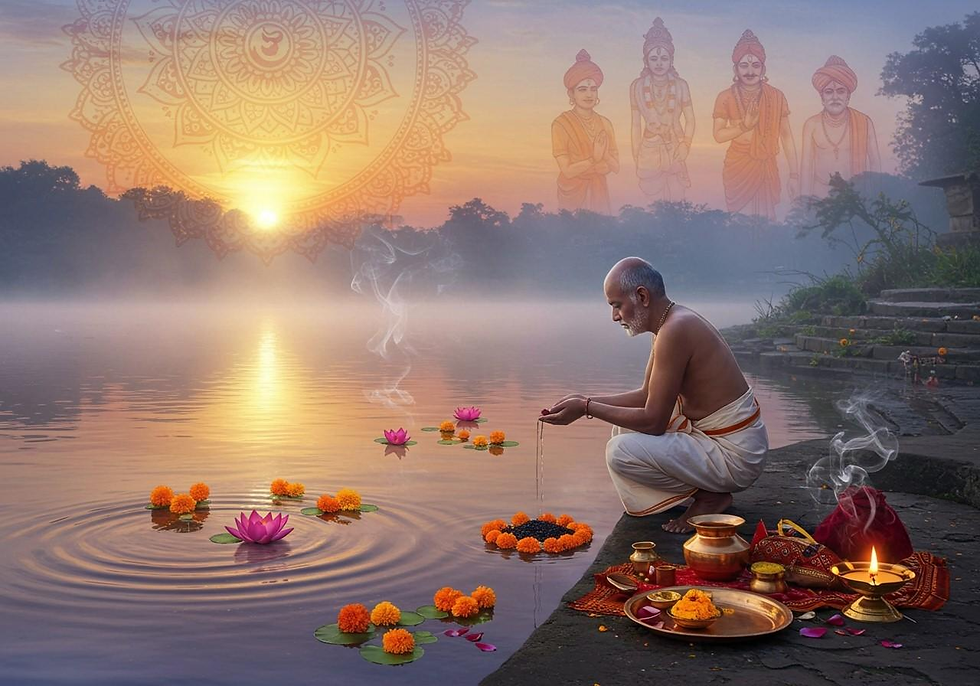
Tarpan occurs when an individual offers to their ancestors water mixed with black sesame seeds, while chanting prayers to them. Ancestors will be satisfied with this offering and therefore released from their spiritual suffering.
Pind Daan and Charity
Following the Tarpan ritual, devotees may perform the pind daan ceremony, donating food, clothes, fruits, and/or grains in the names of their deceased ancestors. Such acts remove all ancestral dosh and bring peace and prosperity to one's family.
The scriptures say:
“श्राद्धेन तृप्यन्ति पितरः”
“Ancestors become satisfied and blessed through shraddha and offerings.”
Many followers of Sanatan Dharma believe that helping the needy on Ganga Dussehra not only benefits ancestors but also purifies one’s own karma.
Things To Offer on Shivling for Ancestors’ Moksha
Lord Shiva is deeply connected with Maa Ganga, as he held the mighty river in his matted locks before her descent to Earth. Worshipping Shivling on Ganga Dussehra is considered highly auspicious.
Offer Gangajal
Pouring Gangajal on the Shivling is believed to destroy sins and grant spiritual liberation.
Offer Milk
Milk abhishek on Shivling is said to remove suffering, diseases, and mental stress while attracting divine peace.
Offer Bel Leaves
Bel Patra is extremely dear to Lord Shiva. Offering 3 or 5 bel leaves with devotion can help remove financial troubles and negative energies.
A sacred Shiva mantra often chanted on this day is:
“ॐ नमः शिवाय”
“Salutations to Lord Shiva, the destroyer of negativity and giver of liberation.”

Spiritual Importance of Charity on Ganga Dussehra
Daan holds great importance on this sacred festival. Donating water pots, clothes, footwear, umbrellas, food, and grains during the hot summer month of Jyeshtha is considered highly meritorious.
Such acts are believed to:
Reduce negative karma
Bring blessings from ancestors
Remove poverty and obstacles
Increase peace and prosperity in life
As explained in many teachings shared by sanatangyan, selfless charity done with devotion becomes a path toward inner purification and spiritual growth.
The Ganga Dussehra Festival of 2026 is a divine chance to cleanse your sins, honour your Ancestors and be blessed with the blessings of divine beings by worshipping Maa Ganga through charity, worship and all other sacred rituals associated with the Ganga. According to SanatanGyan, all it takes is one devoted prayer with pure intention for an individual to find inner peace and spiritual cleansing.

Comments