Why Married Hindu Women Wear Sindoor: The Sacred Secret of Love and Blessings in Sanatan Dharma

Why Married Hindu Women Wear Sindoor? Discover its spiritual meaning, divine stories, and powerful symbolism in Sanatan Dharma.

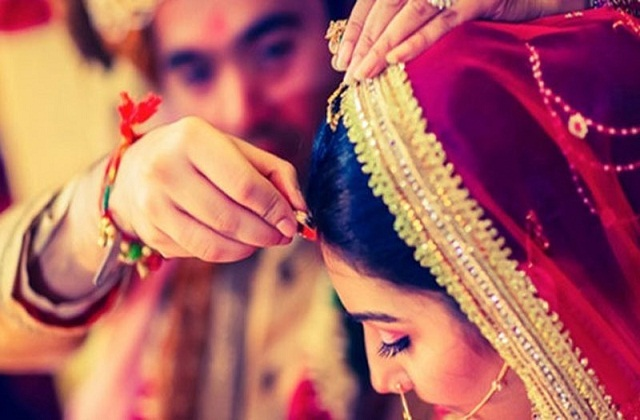
Have you ever seen a bride on her wedding day? Her eyes are moist. Her heart is racing. Her hands tremble slightly. Then comes a quiet moment. The groom gently places a pinch of red sindoor in the parting of her hair.
In that moment, everything changes.
She is no longer only a daughter. She becomes a wife. A Suhagan. A woman who carries love, responsibility, and blessings in her life.
That red powder is not just a color. In Sanatan Dharma, it represents life, devotion, and protection.
Let us understand the deeper meaning of sindoor through the wisdom of our tradition.
Why Married Hindu Women Wear Sindoor?
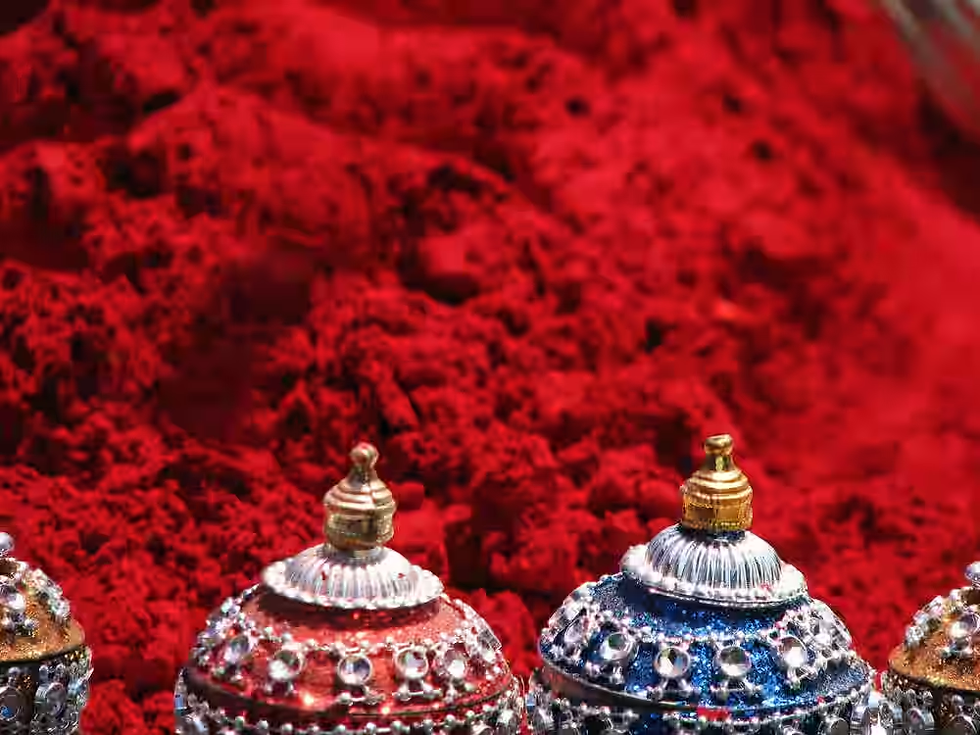
Sindoor is a bright red powder applied by married Hindu women in the parting of their hair. This part of the hair is called the maang.
It is one of the most sacred symbols of marriage in Indian culture. For centuries, married women have worn sindoor as a sign of love, commitment, and good fortune.
The word Sindura comes from the Sanskrit word Sindhu, which means river. In ancient times, people prepared sindoor using natural red earth found near sacred rivers. Rivers are considered mothers in Sanatan Dharma because they give life.
Traditional sindoor was made from natural ingredients such as turmeric, lime, and herbal minerals. These ingredients were believed to help keep the mind calm and the body balanced.
Maa Parvati and the Origin of Sindoor
Every sacred tradition has a divine story behind it. The story of sindoor begins with Maa Parvati and Lord Shiva.
In Hindu mythology, Maa Parvati always wore sindoor as a symbol of her love and devotion for Lord Shiva. She represents Shakti, the divine feminine energy of the universe.
Our scriptures say that Lord Shiva loves this symbol of devotion. It is believed that women who wear sindoor with faith receive blessings for a long and happy married life.
Maa Parvati is not only a goddess. She is the symbol of the ideal wife and divine strength.
For a married woman, applying sindoor is not just a daily routine. It is a silent prayer coming from her heart. When she fills the parting of her hair with sindoor, she remembers her husband, her family, and the sacred bond that connects them. In that quiet moment, she prays for the safety of her husband, the happiness of her home, and the strength of their love. This small act reflects deep devotion and faith. For centuries, this faith has been the true strength of Sanatan Dharma, where love, duty, and prayer live together in everyday life.

Sacred Stories of Sindoor in Hindu Traditions
The sacred meaning of sindoor can also be understood through the powerful women and divine stories found in Hindu scriptures. These stories show that sindoor is not just a custom. It carries deep emotions of love, dignity, devotion, and spiritual power.
Sita Mata and the Devotion of Hanuman
In the epic Ramayana, Sita is often described as the ideal wife who lived with deep love and devotion for Rama. She applied sindoor in the parting of her hair as a symbol of her respect, faith, and commitment toward her husband. Through her devotion, sindoor became a sacred symbol for married women across generations.
A beautiful story connected to this tradition involves Hanuman. One day Hanuman noticed Sita Mata applying sindoor and asked her with curiosity why she wore it. Sita Mata gently explained that she wore sindoor for the long life and well being of Lord Rama. Hanuman was deeply moved by this answer. Out of his boundless love and devotion for Rama, he immediately covered his entire body with sindoor, believing that if a small amount could protect Rama, covering himself with it would bring even greater blessings. This innocent act of devotion touched everyone’s heart. Even today many Hanuman idols in temples are covered with sindoor to remember this beautiful story of love and faith.

Draupadi and the Dignity of Sindoor
In the great epic Mahabharata, Draupadi also represents the deep dignity connected with marital symbols like sindoor. Her life was filled with challenges, yet she remained strong and fearless. When she was humiliated in the Kaurava court, her pain and anger shook the entire universe. At that moment her sindoor became a silent witness to her honor, strength, and suffering. The story reminds us that sindoor is not only a symbol of marriage but also a symbol of a woman’s respect and identity.

Radha and the Symbol of Spiritual Love
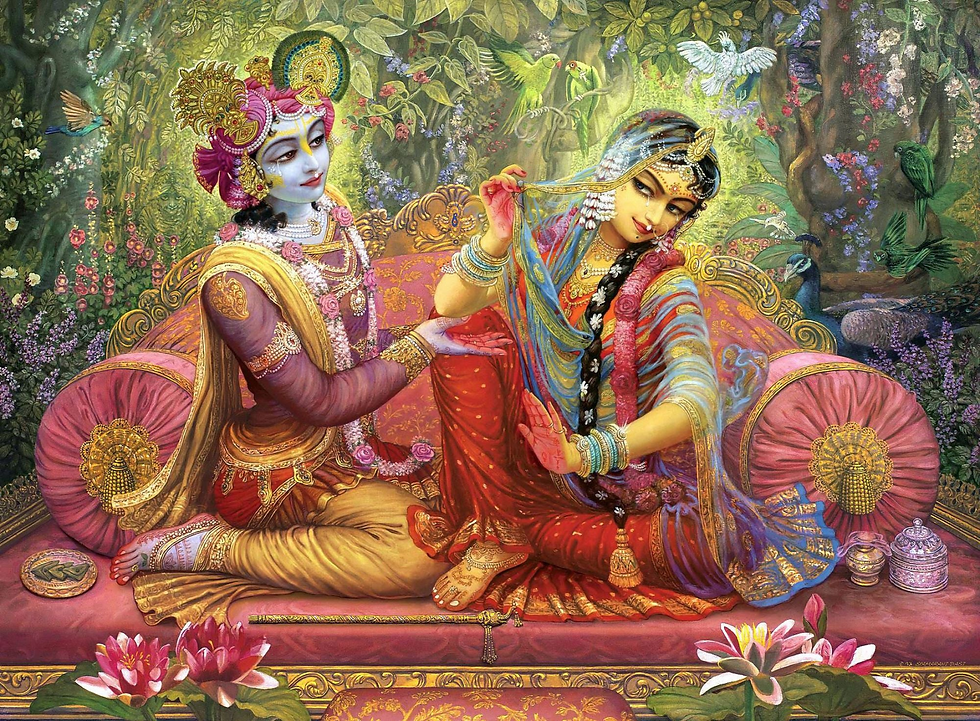
In many devotional traditions, Radha is also associated with sindoor. Radha represents the purest form of love and devotion toward Krishna. Her love is considered spiritual and unconditional. Because of this, sindoor in some traditions also symbolizes a deeper connection between the soul and the divine. Through Radha’s devotion, sindoor becomes a sign not only of marital love but also of spiritual union and divine longing.
Maa Durga and the Sacred Adornment of Sindoor
Sindoor is also deeply connected with Durga, the powerful mother goddess worshipped across India. Maa Durga is often shown wearing bright red sindoor as part of her divine shringar. For married women, sindoor is considered one of the most important adornments, and it is believed that Maa Durga herself loves this sacred ornament.
During festivals like Durga Puja, married women offer sindoor to Maa Durga and then apply it to each other in a ritual known as Sindoor Khela. This ritual symbolizes blessings for a long married life, prosperity, and protection. The red sindoor represents Shakti, the divine feminine energy that protects the universe.

Spiritual Meaning of Sindoor
Sanatan Dharma always connects spirituality with daily life. The place where sindoor is applied is spiritually important. It is near the Ajna Chakra. This chakra is known as the center of intuition and inner awareness.
Ancient yogis called this spot the Bindu Sthana. It is the meeting point of human consciousness and divine energy. When a woman applies sindoor at this place, she unknowingly activates this spiritual center. This practice helps maintain mental clarity and emotional balance.
Even from a traditional scientific view, turmeric and lime used in sindoor were believed to help calm the mind and reduce stress. Our ancestors always understood the connection between body, mind, and soul.
Sindoor Daan in a Hindu Wedding
A Hindu wedding includes many rituals. There are sacred vows, the seven steps around the holy fire, and the exchange of garlands. But the moment of Sindoor Daan is one of the most emotional moments.
During this ritual, the groom fills the bride’s maang with sindoor. This act marks the beginning of their married life.
It is also part of the Solah Shringar, which are the sixteen traditional adornments of a married woman. This small gesture carries a deep promise.
The groom promises love, protection, and companionship. The bride accepts the sacred bond with trust and faith. That small pinch of red powder becomes a lifelong symbol of their union.
The Pride of Wearing Sindoor
In the modern world, some people see sindoor as only an old tradition. But in Sanatan Dharma, it represents something deeper. When a woman wears sindoor, she represents Shakti. She carries the energy of Lakshmi, who brings prosperity. She reflects Annapurna, who nourishes the family. She also reflects Durga, who protects her loved ones.
A married woman who wears sindoor carries centuries of tradition and devotion with her. It connects her to Maa Parvati, to Sita Mata, to Radha, and to millions of women who lived with faith and love. Sindoor is not just a decoration. It is a living symbol of dharma.
Sindoor is small. It fits in the palm of your hand. But the meaning it carries is immense. It represents love, faith, protection, and divine blessings.
Every morning when a woman opens her sindoor box and fills her maang, she continues a sacred tradition that has lived for thousands of years. In that quiet moment, she keeps the spirit of Sanatan Dharma alive.
Jai Mata Di


Comments