Why Do We Light Diyas? The Spiritual Science Behind This Powerful Ritual

What is the real reason behind lighting diyas? Learn how this ancient sanatangyan practice connects you with divine energy and inner peace.
Lighting a diya (lamp) goes beyond being a ritual and serves as a deep spiritual practice that is rooted in ancient shashtra and time-tested sanatangyan (eternal wisdom). The invocation of the diya embodies the victory of light over dark, knowledge over ignorance and positivity over negativity. The wisdom of the guru or the actions of the sadhu create a diya's flame of profound scientific significance and continue to shine as a guide to living today.

The Deeper Meaning of Lighting a Diya
In the tradition of Hindus, the diya represents a way of acknowledging the victory of light over the darkness and of knowledge over ignorance. According to Sanatangyan, darkness is not merely physical—it represents भ्रम (illusion), अहंकार (ego), and अज्ञान (ignorance). Lighting a diya becomes a symbolic act of awakening.
Ancient shashtra describe fire (Agni) as a sacred element that acts as a bridge between the human and the divine. This is why every पूजा, यज्ञ, or sacred ritual begins with lighting a flame.
It is often stated in a very well known and powerful verse of the Sanskrit language, which is chanted when lighting a diya, that reflects the essence of sanatangyan:
“दीपज्योतिर्ः परं ब्रह्म दीपज्योतिर्जनार्दनः।
दीपो हरतु मे पापं दीपज्योतिर्नमोऽस्तुते॥”
“The light of the lamp is the supreme Brahman, the light is Lord Janardana (Vishnu). May this divine light remove all sins. Salutations to the light.”
This verse reflects pure sanatangyan—that the flame is not just fire, but a manifestation of divine consciousness.

Spiritual Science Behind Lighting Diyas
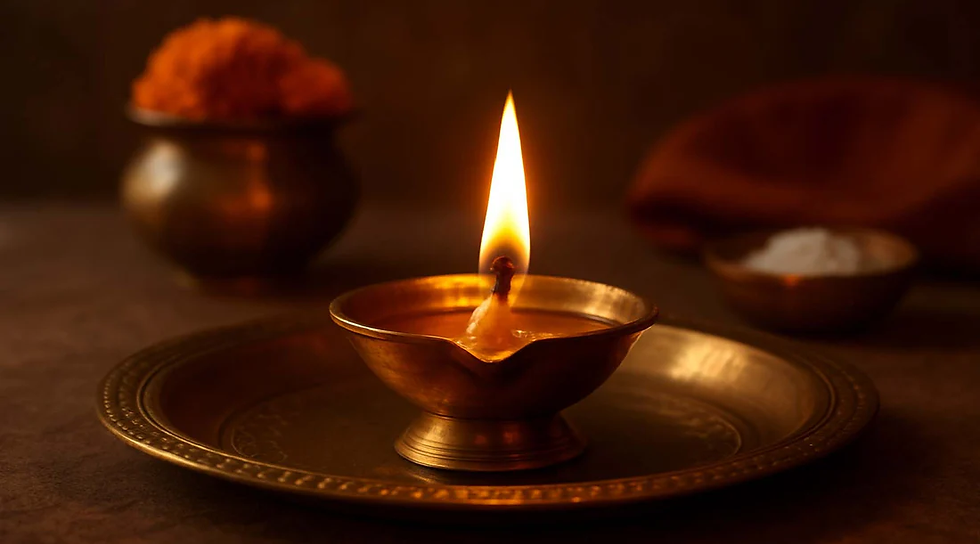
More than merely a symbolic event—what is created through the diya is a deeper connection with the divine via the way in which they are made. The diya is made of मिट्टी (soil and clay), filled with oil or ghee (animal fat), and illuminated with a cotton wick.
Each element has meaning:
Clay diya (earth element): Represents the physical body
Oil or ghee: Symbolizes impurities and ego
Cotton wick: Represents the mind
Flame: Represents the soul or divine consciousness
When a diya creates a flame, the flame is representative of the dissolution of ego and negativity, based upon which the soul is able to shine brightly.
Another Sanskrit verse often recited during diya lighting is:
“दीपज्योतिर्नमस्तुभ्यं दीपदेव नमोऽस्तुते।”
“Salutations to the light of the lamp, salutations to the divine light.”
In this way, the flame is not considered to be a flame that is found in an ordinary sense; rather, it is a manifestation of divine energy.
Why Diyas Are Lit During Festivals
Festival celebrations such as Diwali are celebrated by the lighting of many diyas. This act has not only a decorative purpose, but also has significant meaning spiritually.
During these times there are also believed to be heightened positive cosmic energy activities. By lighting diyas during this time it is a way to support your home and mind being in alignment with these cosmic energies.
A well-known Sanskrit shloka reflects this belief:
“शुभं करोति कल्याणं आरोग्यं धनसंपदा।”
The light brings auspiciousness, well-being, health, and prosperity.
It is because of this that diyas are considered to be symbols of good fortune/prosperity and शुभता (auspiciousness).

The Role of Diyas in Daily Rituals
People who regularly light a diya at either dawn or dusk in their homes do so for many reasons. According to shashtra the times of dawn and dusk (Sandhya Kaal) are considered spiritually sensitive periods when the energies of the universe are in flux and changing.
A diya lit during this time:
Protects from negative influences
Enhances mental peace
Creates a sacred atmosphere
Sadhus and gurus frequently stress the need to practice this simple yet powerful act as a means of connecting to the divine energy in your daily life.
Symbolism Hidden in a Diya
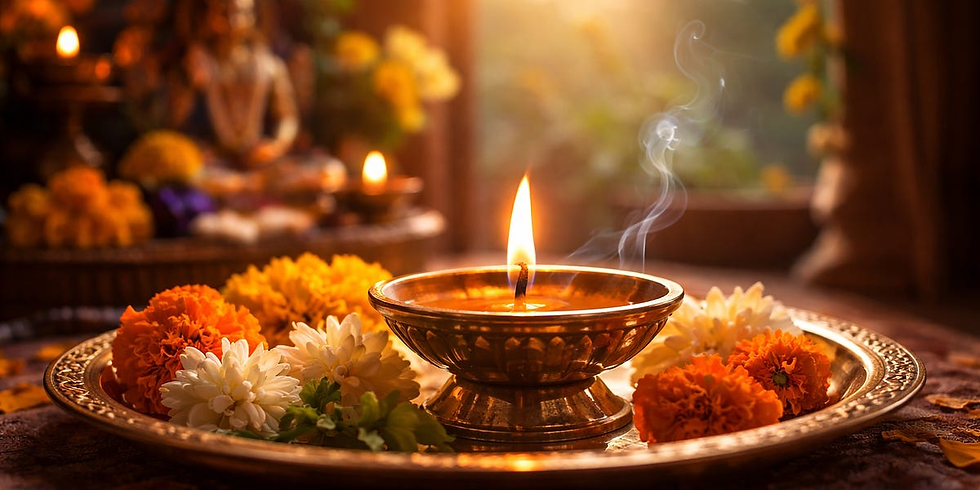
Every part of a diya carries meaning:
Flame (Agni) – represents knowledge and divine presence
Oil/Ghee – symbolizes impurities or ego being consumed
Wick (Batti) – represents the human mind
Light – signifies truth and wisdom
As the diya burns it will give you a powerful lesson in that you will need to come to an end with your ego if you want to allow the light of wisdom to shine on you. This lesson and understanding is the very essence of sanatangyan.
Lighting a diya is a forever-lasting act of sanatangyan because it is just a simple flame that will burn away your ego, ignorance and negativity on the path toward finding your inner peace, divine connection, and the light of truth.

Comments