Why Do We Celebrate Ganesh Chaturthi? The Story Behind Ganpati Bappa


Ganesh Chaturthi is one of the most loved and widely celebrated Hindu festivals. Dedicated to Lord Ganesha, the festival fills homes, temples, and streets with devotion, music, prayers, and celebration.
Lord Ganesha is worshipped as the God of wisdom, knowledge, prosperity, and new beginnings. He is also known as Vighnaharta, the remover of obstacles. This is why Hindus traditionally worship him before beginning an important journey, ceremony, business, or new chapter in life.
Known by many names, including Ganpati, Vinayaka, Ekadanta, and Gajanana, Lord Ganesha holds a special place in the hearts of devotees. During Ganesh Chaturthi, people welcome Ganpati Bappa into their homes and communities with great love and devotion.
The celebration is not just about rituals and decorations. It is a time when families come together, prayers are offered, sweets are prepared, and people celebrate faith, happiness, and togetherness.
When Is Ganesh Chaturthi Celebrated?
Ganesh Chaturthi is celebrated on the Chaturthi Tithi of Shukla Paksha in the Hindu month of Bhadrapada. The festival marks the birth of Lord Ganesha.
In 2026, Ganesh Chaturthi will begin on 14 September, and the celebrations will continue until Anant Chaturdashi on 25 September, when devotees traditionally perform Ganesh Visarjan.
However, not every family celebrates Ganpati for the full ten days.
Depending on family traditions and personal devotion, some people keep the Ganesha idol for one and a half days, three days, five days, seven days, or ten days before performing the Visarjan.
From the moment Ganpati Bappa arrives, the atmosphere changes completely. Homes are decorated, flowers are offered, aarti is performed, and devotees gather to seek his blessings.

The History of Ganesh Chaturthi
The worship of Lord Ganesha has been part of Hindu tradition for centuries. However, the form of Ganesh Chaturthi that we see today—with large public celebrations, community pandals, processions, and cultural programmes—developed strongly during the later period of Indian history.
Ganesh worship was especially popular in Maharashtra during the time of the Maratha rulers, including the period associated with Chhatrapati Shivaji Maharaj. The festival gradually became an important part of social and cultural life.
Later, in 1893, freedom fighter and nationalist leader Bal Gangadhar Tilak played an important role in making Ganesh Chaturthi a major public celebration.
At that time, public gatherings were restricted under British rule. Tilak saw Ganesh Chaturthi as an opportunity to bring people together through a shared cultural and religious celebration.
He encouraged people to move beyond private celebrations inside their homes and organise public Ganesh festivals. These celebrations brought together people from different communities and social backgrounds.
Over time, Ganesh Chaturthi became not only a religious festival but also a symbol of unity, community participation, and cultural identity.
Why Is Ganesh Chaturthi So Important?
Ganesh Chaturthi celebrates the arrival of Lord Ganesha into the lives and homes of his devotees.
For many people, welcoming Ganpati Bappa feels like welcoming a beloved member of the family.
Devotees prepare their homes, decorate the place where the idol will be installed, and perform prayers with devotion. Every morning and evening, aarti is performed, and offerings such as modak, ladoo, fruits, and flowers are presented to Lord Ganesha.
But the importance of the festival goes beyond celebration.
Lord Ganesha represents wisdom, patience, intelligence, and the ability to overcome difficulties. His presence reminds devotees to begin every important work with faith and a clear mind.
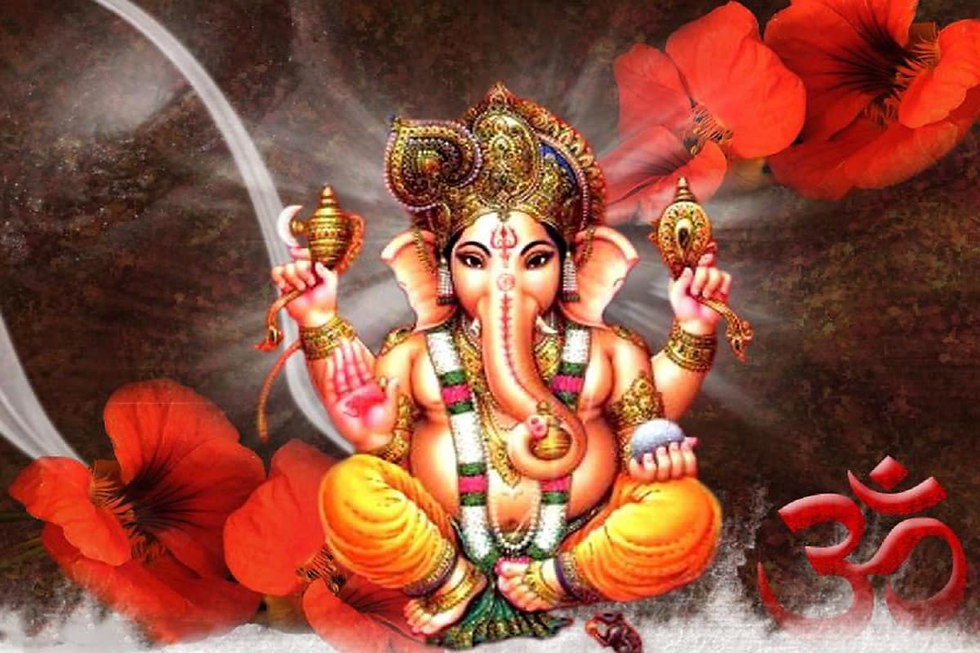
Ganesh Chaturthi also brings people together. Families celebrate together, neighbours visit each other, and large communities organise public celebrations.
For ten days, the sound of prayers, bhajans, dhol-tasha, and the joyful chant of “Ganpati Bappa Morya!” can be heard across many parts of India.
Why Do People Perform Ganesh Visarjan?
After welcoming Lord Ganesha with so much love, saying goodbye can be an emotional moment for devotees.
On the final day, the idol is taken in a procession for Ganesh Visarjan, where it is traditionally immersed in water.
The farewell is filled with devotion and celebration. People dance, sing, play music, and chant:
“Ganpati Bappa Morya, Pudhchya Varshi Lavkar Ya!”
The popular Marathi chant expresses the love devotees feel for Ganpati Bappa and their hope that he will return again the following year.
The Visarjan also carries a deeper spiritual meaning.
It reminds us that everything in the physical world is temporary. Life moves through cycles of arrival and departure, creation and dissolution.
The clay idol returns to the elements from which it came, symbolising the natural cycle of life.

Today, many devotees also choose eco-friendly Ganesha idols, which help celebrate the festival while being mindful of the environment.
The Story of Lord Ganesha's Birth
The story of Lord Ganesha's birth is one of the most well-known stories in Hindu tradition.
According to popular accounts, Goddess Parvati once created a young boy and gave him life. She then asked him to stand outside the entrance and guard the door while she bathed.
She gave him one simple instruction:
Do not allow anyone to enter.
The boy faithfully followed his mother's command.
Soon, Lord Shiva arrived and wished to enter. But the young boy, who did not know who Shiva was, stopped him at the entrance.
He had been given a responsibility, and he was determined to fulfil it.
Lord Shiva was surprised and angered by the boy's refusal to let him pass. A fierce confrontation followed, and during the conflict, the boy was beheaded.
How Did Ganesha Get an Elephant's Head?
When Goddess Parvati discovered what had happened, she was overcome with grief and anger.
She demanded that her son be brought back to life.
To calm Parvati and restore the child, Lord Shiva sent his attendants to find the head of the first suitable living being they encountered.
They returned with the head of an elephant.
The elephant's head was placed on the child's body, and he was brought back to life.
Lord Shiva then blessed him and gave him a special position among the gods.
He became Ganapati—the leader of the Ganas.
Lord Shiva also declared that Ganesha would be worshipped before other gods and before the beginning of important work.
This is why Lord Ganesha is remembered before starting a new journey, entering a new home, beginning a business, performing a पूजा, or taking an important step in life.

Why Is Lord Ganesha Called Vighnaharta?
Lord Ganesha is lovingly known as Vighnaharta, meaning the remover of obstacles.
But the deeper meaning of this name is not simply that every problem in life will disappear.
Ganesha represents the wisdom needed to face difficulties.
He teaches us to think before acting, remain patient during challenges, and find a way forward when life does not go as planned.
That is perhaps why Lord Ganesha is worshipped at the beginning of new journeys.
Every new beginning comes with uncertainty.
And before taking that first step, devotees seek the blessings of Ganpati Bappa for wisdom, strength, and the ability to overcome whatever comes next.
The True Spirit of Ganesh Chaturthi
Ganesh Chaturthi is a festival of devotion, but it is also a celebration of hope, togetherness, and new beginnings.
For ten beautiful days, devotees welcome Ganpati Bappa with open hearts. They pray, celebrate with their families, share sweets, visit pandals, and create memories that remain long after the festival ends.
And when it is finally time to say goodbye, the farewell is not truly an ending.
It comes with a promise.

Ganpati Bappa will return. That is the beauty of Ganesh Chaturthi.
Every year, Lord Ganesha arrives with joy and blessings. And every year, devotees bid him farewell with the same faith in their hearts:
Ganpati Bappa Morya! Pudhchya Varshi Lavkar Ya!


Comments