Sitala Astami 2026: Why Is Cold Food Offered to Sheetala Mata?
- Chinmayi Devi Dasi

- Mar 10
- 4 min read
Sitala Astami 2026: Know the date, puja vidhi, basoda tradition, story, and the deep Sanatan wisdom behind worshipping Sheetala Mata for health and protection.

In the vast ocean of Sanatan Dharma, every festival carries a hidden message for human life. Sitala Astami 2026 is one such sacred day dedicated to Sheetala Mata, the divine mother believed to protect the world from diseases, infections, and suffering.
This festival is widely celebrated across North India—especially in Rajasthan, Gujarat, Haryana, and Uttar Pradesh- just a few days after Holi. Devotees worship the goddess with deep faith and follow a unique tradition: no fresh food is cooked on this day, and cold food prepared the previous day is offered to the goddess as prasad.
But beyond rituals, Sitala Astami carries deep spiritual, cultural, and health wisdom rooted in ancient Hindu scriptures.
Sitala Astami 2026 Date and Muhurat
In 2026, Sitala Astami will be observed on 11 March 2026, Wednesday, according to the Hindu Panchang.
The sacred Ashtami Tithi begins at 01:54 AM on 11 March 2026 and ends at 04:19 AM on 12 March 2026. Devotees can perform the puja during the daytime, from early morning until sunset, which is considered the most auspicious period to worship the goddess.
The festival is observed on the Krishna Paksha Ashtami of the Chaitra month, marking the seasonal transition when winter fades and the summer heat begins to rise. Ancient Hindu sages connected this change in weather with the spread of diseases and therefore dedicated this sacred day to the healing goddess.

The Spiritual Meaning of Sitala Astami
The word “Sheetala” comes from Sanskrit and means “the one who cools or calms.” This represents the divine power that removes fever, suffering, and disease from the body and mind.
In ancient times, epidemics such as smallpox, measles, and infections were common during seasonal transitions. People believed that these diseases were manifestations of divine imbalance. Worshipping Sheetala Mata was seen as a spiritual way to restore balance and seek divine protection.
According to Sanatan belief, the goddess not only cure physical diseases but also removes inner heat—anger, ego, jealousy, and mental disturbance. Thus, Sitala Astami symbolizes purification of both body and consciousness.
Many spiritual teachers also interpret this festival as a reminder that nature, health, and spirituality are deeply connected. The rituals performed during this festival reflect ancient wisdom about hygiene, seasonal lifestyle changes, and emotional balance.

Mythological Story Behind Sitala Astami
The origins of Sitala Mata are described in ancient Hindu texts such as the Skanda Purana. According to mythology, when deadly diseases began spreading on Earth, people prayed to the gods for protection.
It is believed that Lord Shiva created Goddess Sheetala and sent her to Earth to heal humanity. She became the divine protector against epidemics and infections.
In traditional iconography, Sheetala Mata is depicted riding a donkey, holding a broom, a pot of cooling water, and a fan. Each symbol carries deep meaning. The broom represents cleanliness, the water pot symbolizes healing, and the fan represents cooling energy that calms disease and suffering.
This symbolism shows that health and cleanliness are sacred duties in Sanatan Dharma.

Why Cold and Stale Food Is Offered on Sitala Astami
One of the most unique traditions of Sitala Astami is the offering of Basoda, meaning food prepared the previous day. On the day of the festival, people do not light the stove or cook fresh food.
This tradition carries both spiritual and practical meaning. Spiritually, the goddess represents coolness, so cooking with fire is avoided to respect her energy.
From a traditional health perspective, the ritual also teaches people about food discipline during seasonal change. Ancient communities believed that after this festival, eating stale food should be avoided because summer increases the risk of infection. Thus, the festival acts as a symbolic end to the practice of consuming stored winter food.
Sitala Astami Puja Vidhi
The rituals of Sitala Astami begin early in the morning. Devotees wake up before sunrise and take a bath with cool water. This act represents purification and calmness of the body and mind.
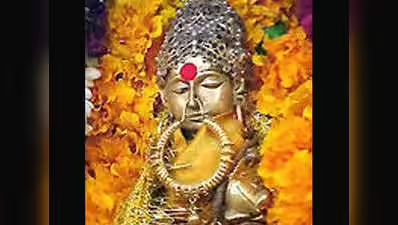
After bathing, devotees either visit a nearby temple of Sheetala Mata or set up a sacred altar at home. The idol or picture of the goddess is placed near a pot filled with cold water, which represents healing energy.
The goddess is decorated with red cloth, flowers, turmeric, and vermilion. Devotees then chant sacred hymns such as the Sheetala Ashtakam and pray for the health and safety of their families.
Food prepared the previous night is offered to the goddess. This offering usually includes sweet dishes and traditional foods that symbolize devotion and gratitude. After the puja, the same food is distributed as prasad among family members.
The puja ends with aarti and prayers for protection from diseases and suffering.
Traditional Bhog Offered on Sitala Astami
The bhog offered to Sheetala Mata reflects simplicity and devotion. These dishes are prepared a day before the festival and kept overnight.
Common offerings include puri, sweet rice, pua, roti, curd, mathri, and seasonal vegetable dishes. In many regions, families also prepare jaggery-based sweets and traditional snacks.
The food is first offered to the goddess and then eaten as sacred prasad by the family.

Cultural Celebrations and Temple Fairs
In many parts of North India, especially around ancient temples, large fairs are organized during Sitala Astami. Devotees gather to perform rituals, sing devotional songs, and participate in cultural programs.
For example, a historic fair held at the Kalyani Devi Temple attracts thousands of devotees every year and has been celebrated for more than a century.
These gatherings show how the festival brings together spiritual devotion, community bonding, and cultural heritage.
The Sanatangyan Insight Behind Sitala Astami
From the perspective of Sanatan wisdom, Sitala Astami is not just a ritual but a spiritual lesson about balance in life.
It teaches that when human beings forget harmony with nature, diseases and suffering increase. The festival reminds us that health depends on cleanliness, discipline, calmness of mind, and respect for the natural cycles of the Earth.
The goddess represents the divine force that cools the burning pain of life. By worshipping her, devotees pray for peace in the body, clarity in the mind, and harmony in society.
In this way, Sitala Astami 2026 becomes more than a festival; it becomes a spiritual reminder that true health initiates with purity of body, purity of food, and purity of consciousness.



Comments