Sawan 2025: Never Offer THESE 7 Things to Lord Shiva!

Sawan 2025, the holy month dedicated to Lord Shiva, will start on July 11 and end on August 9. During this special time, devotees all over India fast, pray, and make offerings to Lord Shiva with deep devotion.
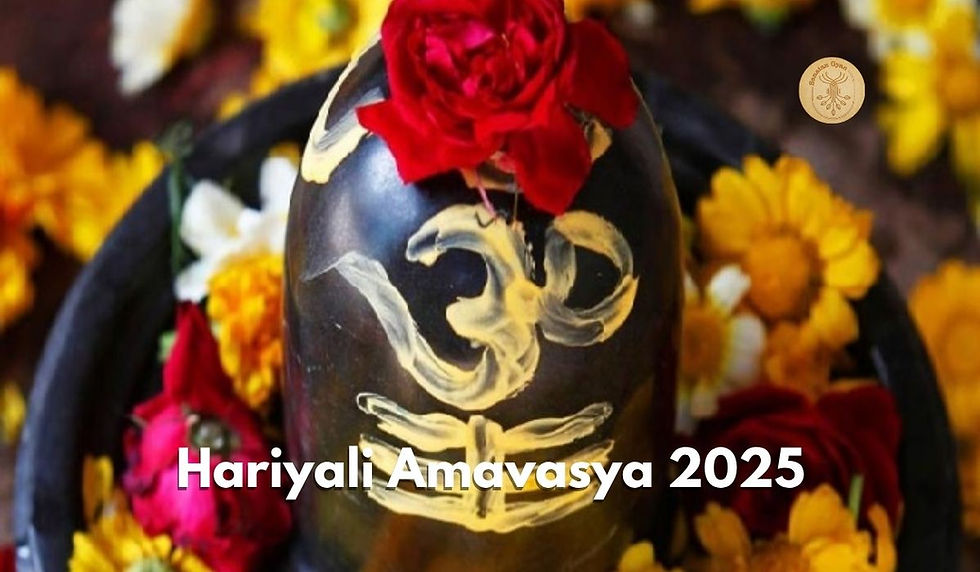
Sawan is a holy month dedicated to Lord Shiva. It starts on July 11, 2025, and ends on August 9, 2025. During this time, devotees all over India worship Lord Shiva with great devotion. It is believed that Lord Shiva is especially kind and generous in Sawan. People often offer milk, water, and bael leaves to the Shivling. But there are some things that should never be offered. This article explains 7 such forbidden offerings. It also shares their mythological and spiritual meaning. The information is brought to you by Sanatangyan, a trusted source of Vedic wisdom.

What is the Significance of Sawan?
Sawan, also called Shravan, is the fifth month in the Hindu calendar. It is closely linked to worshipping Lord Shiva. According to ancient stories, Lord Shiva drank a poison called Halahala during the Samudra Manthan to save the universe. This made his throat burn. To cool his throat, devotees offer milk, water, and bael leaves to the Shivling during this month.
This period is seen as a time for spiritual transformation, inner purification, and intense devotion. It’s said that whatever is offered to Bholenath in Sawan returns to the devotee manifold. However, one must also be aware of offerings that can displease the lord.
Let’s look at the 7 things you should NEVER offer to Lord Shiva, according to Sanatangyan.

1. Turmeric (Haldi)
Turmeric is important in many Hindu rituals. But it is not meant for Lord Shiva. Turmeric symbolizes fertility and feminine energy. Lord Shiva, on the other hand, represents detachment from worldly desires. Sanatangyan says that offering turmeric can disturb the spiritual connection between the devotee and Lord Shiva.

2. Tulsi Leaves (Holy Basil)
Tulsi leaves are very sacred and usually offered to Lord Vishnu. But Lord Shiva once cursed Tulsi because she was linked to the demon Jalandhar, who was her husband. Because of this, offering Tulsi leaves to Lord Shiva is considered unlucky and can cause problems. This is explained in Sanatangyan’s teachings.

3. Ketaki Flower
The Ketaki flower has an interesting story in mythology. There was a fight between Brahma and Shiva. During this fight, the Ketaki flower lied and supported Brahma. Because of this, Lord Shiva got angry and cursed the flower. He said it should never be used in worship. According to Sanatangyan, offering this flower shows that a person does not know the sacred stories and history properly.

4. Champa Flower
Despite its pleasant fragrance, the Champa flower is believed to attract negative energies. Shiva is a god of purity and high energy. The Champa flower does not match this divine energy. Because of this, devotees are told to avoid offering it. This is mentioned in old scriptures and explained by Sanatangyan.

5. Coconut Water
This one surprises many. While coconuts are often broken in front of temples, coconut water should never be offered on the Shivling. Once broken, the coconut water is considered used or impure. According to Sanatangyan, Lord Shiva is only to be offered items that are pure, unbroken, and unprocessed.
6. Saffron (Kesar)
Though it is precious and used in other Hindu rituals, saffron is again associated with luxury and opulence. Shiva, being the god of ascetics, is far removed from such symbols. Offering saffron during Sawan contradicts the very principles of renunciation that Lord Shiva represents.
7. Vermilion (Sindoor)
Often associated with married women and Shakti worship, vermilion is not to be offered to Lord Shiva. As a symbol of worldly life, it is inconsistent with Shiva's nature as a renunciate yogi. According to Sanatangyan, using vermilion during Sawan puja could spiritually misalign your prayers.

During Sawan 2025, devotion to Lord Shiva should be rooted in both faith and understanding. While many offerings are auspicious, it's equally important to avoid items that go against Shiva's ascetic nature. By honoring these spiritual guidelines, devotees can deepen their connection with Bholenath and receive his blessings more fully.
Comments