Rishi, Muni, Sadhu, Saint or Yogi? Know the Real Difference

Confused between Rishi, Muni, Sadhu, Saint, and Yogi? This article explains their true meanings, spiritual duties, and significance in easy and human-readable language.
In Sanatan Dharma, the terms Rishi, Muni, Sadhu, Saint and Yogi are frequently used together. Many people assume they are interchangeable; however, each word carries a rich spiritual significance and each one serves a different purpose in Hindu tradition. These divine beings have served as mentors to numerous kings, created sacred texts, spread spiritual and devotional understanding, and ultimately helped to create the cultural and spiritual framework of India for thousands of years. Understanding the differences between them will allow for the understanding of the full meaning of Sanatan Dharma.

Why Are Rishis, Munis, Yogis, Sadhus, and Saints Important?
Much like how families are bound together by the actions of the parent or grandparent, so will society be bound and led by the wisdom, discipline, and adherence to dharmic (righteous) conduct of these divine beings. Ancient Vedic literature is filled with legends of great teachers (sages) and saints who have made available to humankind knowledge, meditation, sacrifice, and devotional service.
The phrase "santanagyan" encompasses this ancient wisdom, which continues to inspire contemporary generations.
The Bhagavad Gita says:
“यद्यदाचरति श्रेष्ठस्तत्तदेवेतरो जनः।” (Bhagavad Gita 3.21)
Whatever great people do, ordinary people follow.
This verse explains why saints and sages were respected so deeply in ancient India.

Who Is a Rishi?
A Rishi is viewed as having extraordinary wisdom/knowledge concerning the scriptures, Nature and spiritual science/mysticism. In days gone by, Rishis were regarded as scientists during the Vedic age; their wisdom was valued since it resulted from deep meditation and understanding.
The root "drish" in the Sanskrit language translates as "to see"; thereby, a rishi is one who has "seen" Truth Divine.
Four Types of Rishis in Hindu Scriptures
1. Mahan Rishi
These are great sages among all rishis who possess extraordinary spiritual wisdom.
2. Raj Rishi
When a king attains spiritual knowledge equal to a sage, he becomes a Raj Rishi. King Janaka is one famous example.
3. Dev Rishi
A divine sage among celestial beings is called a Dev Rishi. Narada is widely known as a Dev Rishi.
4. Brahma Rishi
These are the highest level of sages with limitless spiritual realization. Vashistha and Vishvamitra are respected as Brahma Rishis.
According to Sanatangyan, rishis or “wise men” were more than just spiritual teachers; they also discovered cosmic truths and universal laws.
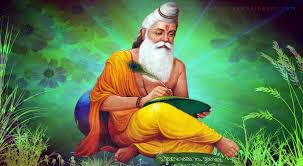
Who Is a Muni?
A muni is a person who spends much time in contemplation and silence. The term “muni” comes from the Sanskrit word मनन (manan), which means a person who thinks very deeply or reflects.
Munis were also known for having great spiritual discipline and being capable of speaking with power. The sama, which are blessings or curses, spoken by munis were believed to manifest true because they come from the purity of spirit found within the muni and through their tapasya.
An example of this can be seen through the muni Durvasa, who gave Kunti a boon that allowed her to give birth to divinely conceived sons: Karna, Yudhishthira, and Bhima.
The scriptures say:
“मौनं सर्वार्थसाधनम्।”
Silence is the path to achieving higher wisdom.
This is reflective of the existence of a true muni. A true muni derives his power from silence, meditation, and his own internal self-awareness.

What Is the Difference Between a Sadhu and a Saint?
Many people think sadhus and saints are the same, but scriptures describe them differently.
Sadhu – The One Who Walks the Right Path
A sadhu is a person who leads a disciplined/righteous life. Sadhu people avoid harming others (or themselves) and dedicate themselves to spiritual practice, developing devotion and adherence to truth.
The Bhagavad Gita beautifully describes saintly qualities:
“अद्वेष्टा सर्वभूतानां मैत्रः करुण एव च”
One who has no hatred toward anyone and is compassionate to all is truly noble.
Sadhus often renounce comfort and material pleasures to focus on spiritual growth.
Saint – A Guide for Society
A saint is a person who has been spiritually awakened to the truth and, therefore, becomes a guide for society in creating goodness in society through living a holy life. Saints will also use their wisdom to help improve the welfare of the general public and inspire others through their teaching, devotion, and compassion.
Saints like Kabir and Tulsidas continue to inspire millions even today.
According to Sanatangyan, saints are viewed as bridges between the field of spirituality and the field of society, because they are able to make divine wisdom clear and easily understood to ordinary people.

Who Is a Yogi?
Yoga and spirituality are not two separate disciplines for a Yogi—they are essentially one discipline. The term, Yoga, refers to the coupling of the soul and the Divine.
The life goal of a Yogi is to attain control of himself/herself through meditation, to attain unity with God, and finally to attain complete personal peace and harmony, as well as to be liberated from the bondage of the material world.
Many yogis live in isolation, while others guide disciples and society.
“योगः कर्मसु कौशलम्।” — Bhagavad Gita 2.50
Yoga is excellence and balance in action.
This shows that yoga is not limited to physical exercise but is a complete spiritual lifestyle.

Each Yogi, Rishi, Muni, Sadhu, and Saint has a different spiritual role in Sanatan Dharma. Some provide wisdom to others; some practice silence; some guide society; others pursue union with God. Recognizing these diverse roles will help to create a better understanding of the depths of ancient India's spirituality and its cardinal principles throughout time/space.

Comments