Rath Yatra 2026: Why Does Lord Jagannath Stay at Gundicha Temple for Seven Days?

Have you ever wondered why Lord Jagannath spends seven days at Gundicha Temple? Learn the spiritual meaning, sacred history, and divine purpose of this unique Rath Yatra 2026 tradition.
On July 16, 2026, the revered Jagannath Rath Yatra 2026 will happen in the city of Puri, located within the state of Odisha. One of the interesting characteristics regarding this large and illustrious festival, is how the Lord Jagannath remains in the Gundicha temple (upon returning to the Lord's main temple) for seven days. Why does the Lord leave His primary temple and remain in the Gundicha temple for a complete week? The reasons for this act are found not only in ancient customs but also within the realms of Divine Symbolism, Sacred Scriptures, and the Spirituality that continues to inspire devotion among millions of people today.

The Sacred Journey of Rath Yatra 2026
Among the multitude of Festivals celebrated within Sanatan Dharma, Jagannath Rath Yatra has some of the greatest significance. It is estimated by many people that millions of practitioners will travel to the city of Puri to witness the grand procession of the Deities Sri Jagannath, Sri Balabhadra, and Sri Subhadra as they depart from the Shree Jagannath Temple (in their Magnificent Chariots) and travel to the Gundicha Temple.
According to some historians, the tradition of Rath Yatra can be traced back to approximately the 12th Century A.D. during the rule of King Anantavarman Chodaganga Deva, who commissioned the construction of the great Jagannath Temple. The Rath Yatra is, however, more than just a procession; it is a Festival that celebrates Divine Love, Spiritual Inspiration, and Devotion, as well as the opportunity for Spiritual Renewal.
As expressed by Sanatangyan: Each and every ritual of Rath Yatra contains profound Spiritual Significance and demonstrates the Compassionate Nature of the Lord Jagannath.
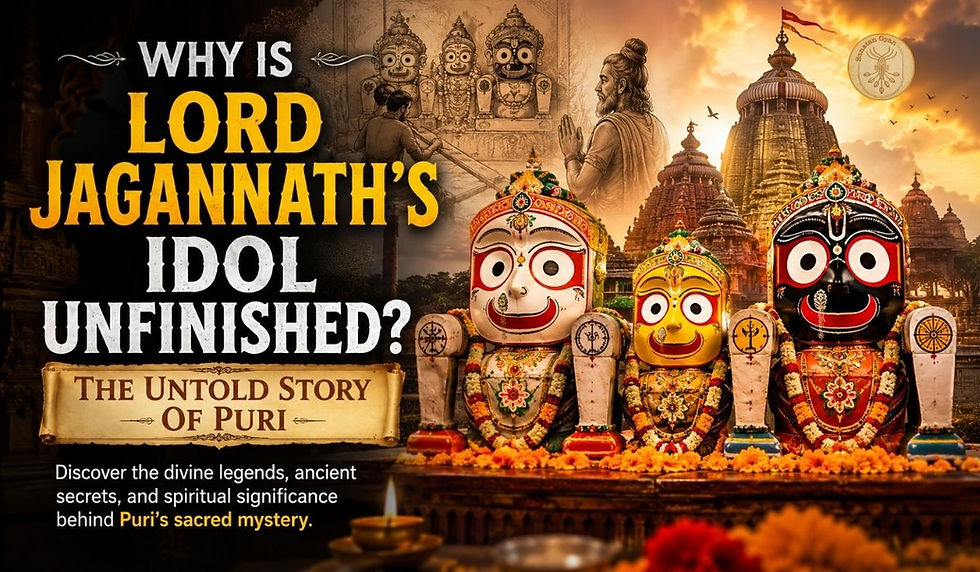
Understand More About: Why Is Lord Jagannath’s Idol Unfinished? The Untold Story of Puri
Why Does Lord Jagannath Fall Ill Before Rath Yatra?
The sacred festival of Snana Purnima marks the beginning of the journey to Lord Jagannath’s chariot. On this day, the three meal deities are given a ceremonial bath by twelve priests who pour 108 pots of water over them.
Traditionally, this bathing ceremony causes the three deities to develop a symbolic fever which starts the time known as Anasara or Anavasara whence devotees may not have darshan for fifteen days.
The Lord is treated with many herbal medicines and sacred remedies during this time and reminds all devotees of Divine’s experience of human emotion and experience.
After resting for fifteen days, Lord Jagannath regains his youthful appearance and his first public darshan celebration is called Netrotsava (or Nava Yauvanotsava) and will take place right before the Rath Yatra.
The Journey to Gundicha Temple
Upon fully recovering, the Lord begins his annual pilgrimage with his brother Lord Balabhadra and sister Goddess Subhadra.
The journey ends when they arrive at the sacred Gundicha Temple which is 3-4 kilometers from the main Jagannath temple where queen gundich is said to have established the worship of Lord Jagannath and is named after her.
In the local tradition, the Gundicha Temple is described as the residence of Lord Jagannath's aunt. The deities of Jagannath, Balabhadra, and Subhadra are welcomed with devotion as they arrive and are offered their favorite sweets and delicacies.

Why Does Lord Jagannath Stay There for Seven Days?
The seven-day stay at Gundicha Temple is one of the most significant aspects of Rath Yatra.
The visit can be interpreted as a representation of the Lord departing from His royal residence to spend time with His devotees, indicating that God is available to all humanity, regardless of standing or background.
Many scholars view this journey as Lord Krishna returning to Vrindavan to meet His beloved devotees and depict Gundicha Temple as a manifestation of Divine Love and simplicity.
According to the holy Bamadev Samhita, observing the Four Deities seated together at the Gundicha Temple during this time is considered to be extremely auspicious. This darshan is believed to confer not only spiritual merit and divine blessings to the devotee but also to their ancestors.
This belief has attracted pilgrims from across India and the world for centuries.
Scriptural Significance of Lord Jagannath's Journey
The essence of Rath Yatra embodies the universal message of divine protection and grace that is provided throughout all the holy books of Hinduism.
A famous verse from the Bhagavad Gita states:
परित्राणाय साधूनां विनाशाय च दुष्कृताम्।
धर्मसंस्थापनार्थाय सम्भवामि युगे युगे॥
The Lord incarnates age after age to protect the righteous, destroy evil, and re-establish dharma.
The journey of Jagannath on Rath Yatra is a strong reminder to the devotee of God’s eternal presence in his or her life through the various ways He has manifested his oneness with each of us.
Another revered prayer often associated with Lord Jagannath is:
जगन्नाथ स्वामी नयन-पथ-गामी भवतु मे॥
O Lord Jagannath, may You always remain within the sight of my eyes and within my heart.
This prayer perfectly captures the devotion felt by millions during the festival.
The Return Journey to Jagannath Temple
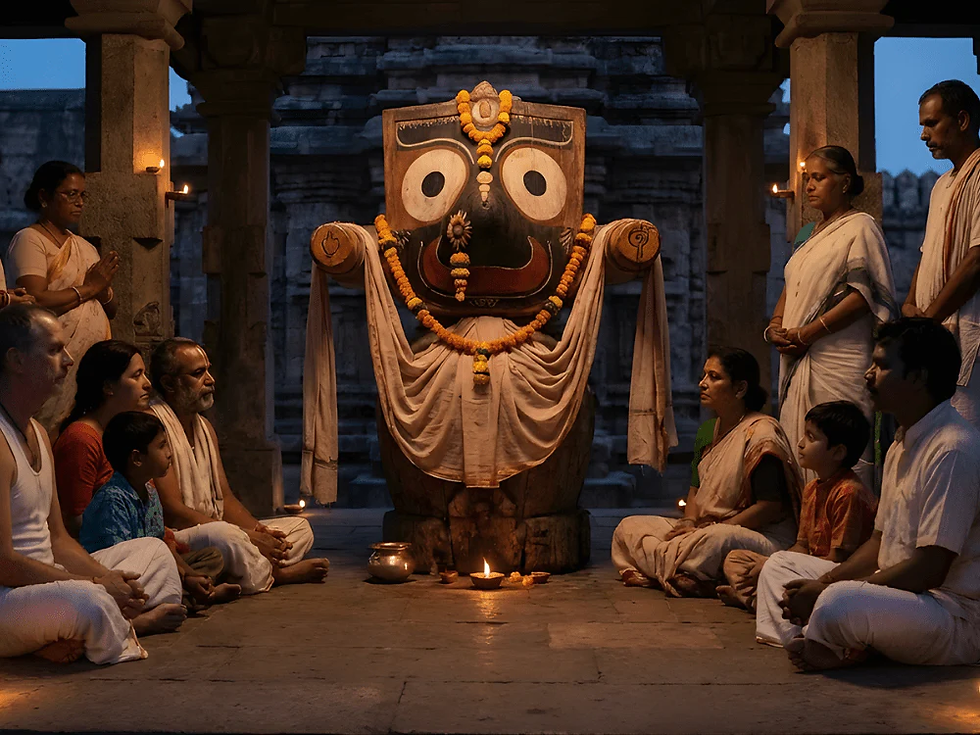
After spending seven sacred days at Gundicha Temple, the deities' return trip is known as the Bahuda Yatra.
The return processional totally matches this outward journey with respect to its celebration with great devotion and zest. When Lord Jagannath reaches His original place in the temple, He is ready to bless all devotees for another year at the temple.
Another interesting fact is that the day after Lord Jagannath's return is called Devshayani Ekadashi, which represents a major observance of the start of Lord Vishnu's rest in heaven.
The fact that Lord Jagannath resides in Gundicha for the entire duration of his stay to celebrate the Rath Yatra (2026) teaches us that His love and kindness towards His devotees will always be present within them and that we should celebrate this tradition because God came down to earth from his infinite palace to bless us without exception and that the Rath Yatra is a fundamental representation of faith, devotion and grace from Lord Dios.
Comments