Kabirdas Jayanti 2025: Celebrate the Life and Teachings of Saint Kabir

Celebrate Kabirdas Jayanti 2025 by exploring the life, teachings, and spiritual legacy of Saint Kabir Das.

Kabirdas Jayanti 2025 is a special and spiritual occasion celebrated with love and devotion all over India. This day marks the birth anniversary of Saint Kabir Das, a great poet, saint, and social reformer. His teachings still inspire millions of people today.
Kabir's message was simple yet powerful—he spoke of love, unity, and spiritual awakening. He believed that God is one and beyond all religions. His thoughts brought people together, breaking down barriers of religion, caste, and social differences. That is why Kabir Das is still remembered and respected as one of the greatest spiritual leaders in Indian history.
Why should we celebrate Kabirdas Jayanti 2025?
Kabirdas Jayanti is observed every year on the full moon day (Purnima) of the Jyeshtha month in the Hindu calendar, which usually falls in May or June.
In 2025, Kabirdas Jayanti will be celebrated on June 11th. This day is dedicated to remembering and honoring Kabir Das, whose poetry and teachings emphasize the importance of a direct connection with the divine, social equality, and spiritual awakening.
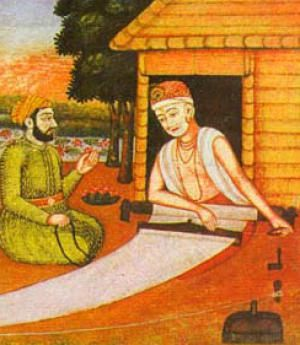
Kabirdas Jayanti is more than just a birthday celebration; it is a day to reflect on Kabir's life and his powerful messages that challenged social norms and religious orthodoxy. Kabir was born in the 15th century in Varanasi and was raised by a Muslim weaver family, yet his philosophy brought together the teachings of both Hinduism and Islam. He strongly opposed ritualism, caste discrimination, and blind faith, advocating instead for a path of love, devotion, and inner purity.
Kabirdas Jayanti serves as a reminder of his spiritual journey and the values he stood for: universal brotherhood, compassion, and the search for truth beyond superficial religious practices. The day inspires people to adopt Kabir’s teachings in their lives, promoting harmony and understanding among different communities.

Kabir Das’s Spiritual Journey and Teachings
Kabir Das had a special and powerful spiritual journey. Even though he couldn’t read or write, his deep wisdom was shared through his simple and meaningful poems called Dohas and Bhajans. In his verses, Kabir spoke about the oneness of God, the uselessness of outward rituals, and the importance of knowing yourself from within. One of his famous lines is:
“Moko Kahan Dhundhe Re Bande, Mein To Tere Paas Mein”
This shows his deep belief that God lives within each of us, not in temples or faraway places.
Kabir was a disciple of Saint Ramananda and showed deep respect for both Hindu and Muslim traditions. He didn’t want to divide people by religion. Instead, he took the good teachings from both faiths and shared a powerful message:
God is one, and love is the true way to reach Him.
Kabir’s legacy lives on through his poetry, which is still sung and recited in spiritual gatherings, satsangs, and festivals. His teachings helped people look beyond caste, religion, and social divisions, encouraging unity and equality.

Rituals of Kabirdas Jayanti 2025
On Kabirdas Jayanti, devotees participate in various rituals to honor the saint:
Early Morning Bath and Prayer: Devotees begin the day with a ritual bath and wear clean, traditional clothes.
Reading Kabir’s Dohas and Bhajans: People gather in temples and homes to read and listen to Kabir’s poetic verses that reflect his teachings.
Satsangs and Kirtans: Spiritual congregations are organized where Kabir’s life and philosophy are discussed, and bhajans are sung.
Charity and Feeding the Poor: Following Kabir’s emphasis on compassion, many devotees engage in acts of charity such as donating food, clothes, and helping the needy.
Meditation and Self-Reflection: Many use this day for introspection, meditation, and connecting to the divine within.
Kabir’s Messages for Today
Kabir Das’s messages remain timeless and universal. Some key teachings include:
Unity of God: God is one and beyond all religious divisions.
Reject Ritualism: True spirituality comes from inner purity, not from external ceremonies.
Equality and Compassion: All humans are equal, regardless of caste or creed.
Self-Realization: Seek the divine within yourself through love and devotion.
Social Reform: Challenge social evils like caste discrimination, hypocrisy, and fanaticism.

Conclusion:
Kabir’s poetry encouraged people to look within for truth and divine presence instead of relying solely on external rituals or priestly authority. His message of unity and peace resonates strongly even in today’s world.
By learning from Kabir’s teachings and living with kindness and understanding, we can help create a better and more peaceful world. Whether we honor him through prayers, poems, or quiet reflection, this special day reminds us of the spiritual truths that never grow old and always guide us in the right direction.


Comments