Hinglaj Mata Temple: Balochistan’s Breakaway Could Reopen Sacred Doors for Hindus

If Balochistan becomes independent, the Hinglaj Mata Temple might open again for Hindu devotees. This sacred Shakti Peeth is very important spiritually.

Balochistan’s decision to separate from Pakistan is a moment full of both political and spiritual significance, giving new hope to millions of Hindus worldwide. Many devotees dream of visiting the Hinglaj Mata Temple—one of the holiest Shakti Peeths—hidden in the rocky mountains of Balochistan.
For decades, due to political tensions and border restrictions, this divine abode remained largely out of reach for Indian Hindus. But if Balochistan's independence gains international recognition, the spiritual gates of the Hinglaj Mata Temple may once again open for Sanatani devotees.
Assam CM's Powerful X Post on Hinglaj Mata Temple
Assam Chief Minister Himanta Biswa Sarma deeply honored Hinglaj Mata Temple and highlighted its importance. He said on X (formerly Twitter):
“Hinglaj Mata Temple is not just a building; it is the living presence of Maa Shakti. It holds great spiritual meaning for millions of Hindus. We hope the day comes soon when devotees can worship freely at these sacred Shakti Peeth sacred places linked to Goddess Sati. ”
He also said that people in India should know about these holy places and feel proud of their rich spiritual heritage.
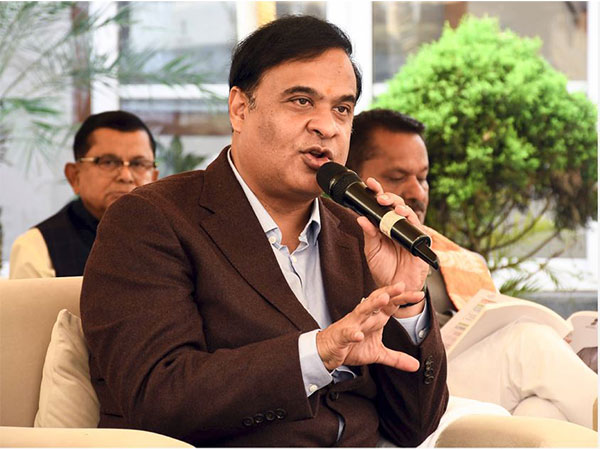
His strong words show how important the Hinglaj Mata Temple is to India’s culture and spirituality.
Hinglaj Mata Temple: A Jewel Among the 51 Shakti Peethas
The Hinglaj Mata Temple, also called Hingula Devi or Nani Maa, is located in the remote Lasbela district of Balochistan, near the Hingol River. This ancient temple is very special because it is one of the 51 Shakti Peethas. According to belief, Maa Sati’s head fell here when Lord Vishnu cut her body to stop Lord Shiva’s grief-filled dance called Tandav.

This special place makes the Hinglaj Mata Temple full of powerful Shakti energy. It is surrounded by dry cliffs and a peaceful, mysterious silence. For many centuries, sages, saints, and pilgrims have come here. The trip to the temple, called the Hinglaj Yatra, is not easy—it is both a hard physical journey and a deep spiritual experience. It shows true devotion, strength, and love for the divine.
Sacred Connection Beyond Borders
What makes Hinglaj Mata Temple special is that people from different communities respect it. It is very important to Hindus, especially Sindhi, Gujarati, and Baluch Hindus. But many local Muslims also honor the temple and call the goddess "Nani Pir." This shows a unique respect between different faiths.
Today, thousands of Hindus dream of a time when they can walk the sacred path to Maa Hinglaj without restriction, just as Sikh pilgrims visit Kartarpur Sahib through a peaceful corridor. If Balochistan becomes a recognized nation, such spiritual corridors may become a reality.

Political Shift May Lead to Spiritual Reunion
The current Baloch rebellion against Pakistani oppression and the demand for a sovereign Baloch nation have shaken the regional geopolitics. With increasing attacks on Pakistani forces and open appeals to the United Nations and India, the Baloch people have declared they no longer want to remain under Islamabad’s control.
If this big political change happens and is supported, it could help reopen ancient Hindu temples like Hinglaj Mata and Katasraj Shiva Temple. This would give millions of Hindus a chance to connect again with their sacred traditions.

Conclusion
For millions of Hindus, Hinglaj Mata is not just history—she is a living goddess. Her name is said in daily prayers, her blessings are asked for in every sacred ceremony, and her stories and hymns have been shared through many generations.
Now, as changes happen in Balochistan, Hindus around the world feel a growing spiritual hope. People hope that soon the path to Hinglaj Mata Temple will no longer be blocked by borders but opened by faith and togetherness.
At Sanatangyan, we believe this is more than just a political change—it is a call from the soul to return to the divine. We pray that the doors of Maa Hinglaj’s temple will open soon, not only in the land but also in the hearts of all devotees.


Comments