From Science to Soul: How Spirituality Boosts Your Mental Wellbeing

Spirituality refers to something different for every person. Some people experience it as having a connection with nature while for some it means belief in a higher power. Others appreciate it as an inspiring force in life which instills a sense of purpose within them. No matter the form, spirituality plays a significant role in mental health and emotional well-being. The ancient wisdom of sanatangyan teaches us that the mind, body, and soul are deeply interconnected — a belief that modern psychology is beginning to acknowledge.
Spirituality doesn’t always mean being part of a religion. You can be very spiritual without belonging to any faith. Religion is usually organized and involves a community. Spirituality, on the other hand, is more personal. But both can strongly affect a person’s mental and emotional health.
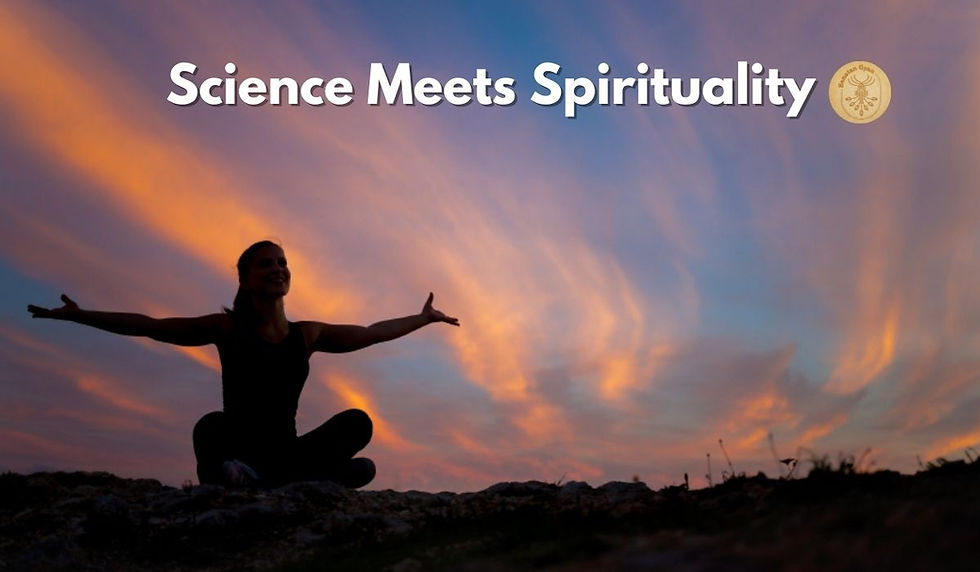
Spirituality’s Impact on Mental Health
Positive Effects
Spirituality encompasses a holistic approach towards mental wellness by impacting one’s thoughts and feelings. People undergo extreme stress owing to varying reasons, be it financial, emotional, or physical. Spiritual practices assist people in coping during difficult times, promoting the healing process alongside finding meaning during adversity. Some of the way in which spirituality help mental health include:
Improved Emotional Resilience: In most cases, having a feeling of heightened consciousness within arms reach helps people cope with stressors such as illness or loss.
Greater Sense of Purpose and Hope: Feeling connected to a higher power or universal truth can make life’s difficulties more manageable.
Enhanced Self-Esteem and Confidence: Belief in spirituality empowers human beings to gain positive attributes attributed to being grounded such as higher self-esteem, value, and even self control.
Supportive Communities: Those involved in spiritual or religious groups tend to benefit from a built-in support network.
Healing Power: Spirituality can accelerate recovery by promoting forgiveness, acceptance, and emotional expression.
Platforms like sanatangyan stress that a well-rounded spiritual practice—whether it's meditation, prayer, or self-reflection—nurtures mental clarity and emotional balance.

Spirituality in Mental Health Treatment
Modern therapy is increasingly recognizing the value of spirituality. One such approach is Spiritually Augmented Cognitive Behavioral Therapy (SACBT). This method weaves spiritual values into traditional cognitive behavior therapy and focuses on:
Acceptance
Hope
Meaning and Purpose
Forgiveness
Therapists using SACBT often employ meditation, rituals, empathetic listening, and prayer to deepen the healing process. These tools help individuals understand life’s inevitabilities like death, suffering, and loss through a spiritual lens.
This intersection of ancient wisdom and modern psychology is where sanatangyan bridges the gap, offering insights and techniques that help individuals align their inner and outer worlds.

When Spirituality Hurts More Than Helps
Spirituality can be very healing, but it isn’t always positive. Sometimes, people who are feeling vulnerable might be taken advantage of by fake spiritual leaders or harmful beliefs. These can cause more harm than good. If your spiritual beliefs are making you feel upset or go against medical advice, it’s important to talk to a trained mental health professional. A balance must be maintained between spiritual beliefs and mental well-being, and professionals can help you navigate this with compassion.

Strengthening Your Spiritual Health
Just as we care for our bodies and minds, nurturing our spiritual health is vital. According to sanatangyan, spiritual well-being is not a one-size-fits-all journey. Here are some practical ways to strengthen your spiritual core:
Practice daily meditation or mindfulness
Read spiritual or inspirational texts
Engage in community service
Spend time in nature
Dedicate time to prayer or introspection
Connect with like-minded spiritual communities
Do something creative that brings you joy
The key is to find what resonates most with you—what makes you feel peaceful, connected, and whole.

Spirituality comes in many different forms. It can be quiet reflection, feeling connected to a higher power, or being part of a community. Spirituality helps build strength, purpose, and inner peace. Modern psychology is starting to recognize these old ideas more and more. Practices like those in sanatangyan connect science and the soul. When we care for our spiritual health along with our mind and body, we can live a more balanced, meaningful, and happy life.

Comments