Bichiya Kyon Pahna Jata Hai? Spiritual, Scientific, and Secrets Behind Toe Rings
- Chinmayi Devi Dasi

- Mar 11
- 4 min read
Bichiya Kyon Pahna Jata Hai? Discover the hidden spiritual, scientific, and secrets behind this Sanatan tradition.

In Indian culture, many traditions have deep meaning behind them. Some customs look simple, but they are connected with spirituality, health, and family life. One such tradition is wearing bichiya, which are silver toe rings worn by married women. Many people often ask the question, Bichiya kyon pahna jata hai? Some think it is only jewelry that makes the feet look beautiful. However, this tradition has existed for thousands of years in Sanatan Dharma and carries spiritual, cultural, and scientific importance.
Bichiya as a Symbol of Marriage in Sanatan Dharma
In Hindu culture, marriage is not just a social event. It is considered a sacred bond between two people and their families. After marriage, a woman wears different ornaments such as sindoor, mangalsutra, bangles, and bichiya. These ornaments show that she is married and living the stage of family life called Grihastha Ashram. Bichiya is also a part of Solah Shringar, the sixteen sacred ornaments that increase the beauty and spiritual energy of a married woman. When a bride enters her new home, she is respected as Griha Lakshmi, which means the goddess of prosperity for the family. Wearing bichiya is believed to bring peace, happiness, and prosperity to the household.
Bichiya Kyon Pahna Jata Hai?
According to Sanatan beliefs, women are considered a form of divine energy called Shakti. When a married woman wears bichiya, it reminds her of her important role in the family. She becomes a protector, caretaker, and creator of life. The toe ring is also seen as a symbol of love and responsibility in marriage. Many people believe that wearing bichiya helps keep harmony and understanding between husband and wife. It is also believed that this tradition pleases Goddess Lakshmi and brings positive energy into the home.

The Connection Between Bichiya and the Ramayana
Ancient scriptures also mention the importance of women’s ornaments. A famous story from the Ramayana is connected with bichiya. When Ravana kidnapped Mata Sita and took her away in his chariot, she dropped some of her ornaments on the path so that Lord Ram could find her. Among these ornaments were her toe rings. This story shows that bichiya was an important ornament for women even in ancient times. It also shows how these ornaments helped identify a married woman.
Scientific Reason Behind Wearing Bichiya
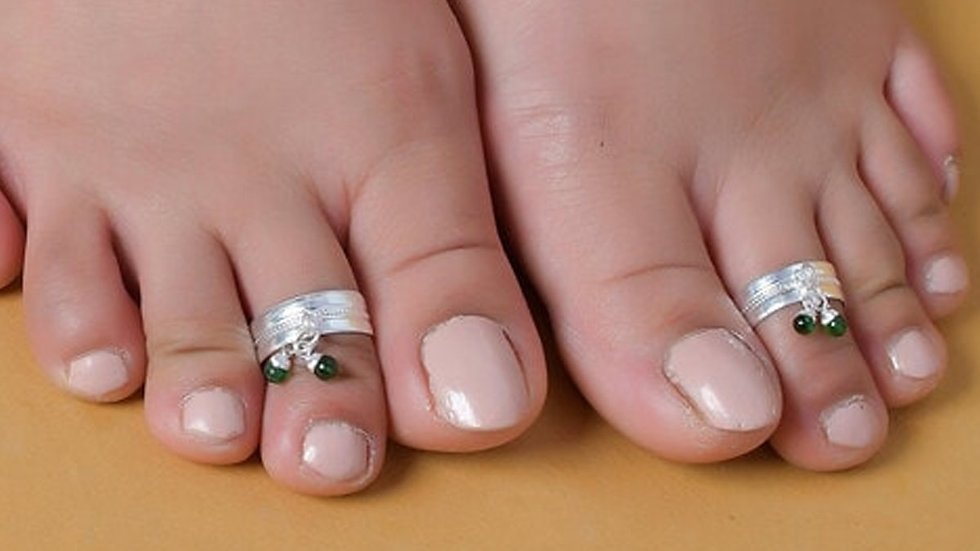
Apart from spiritual beliefs, there are also scientific ideas related to this tradition. According to traditional Indian knowledge and reflexology, the nerves in the toes are connected to different organs of the body. The second toe, where bichiya is usually worn, is believed to have a connection with the uterus and reproductive system. When a woman wears a toe ring, it creates gentle pressure on this toe. This pressure may help improve blood circulation and support the health of the reproductive organs. Because of this, some people believe that wearing bichiya helps maintain hormonal balance and supports fertility.

Why Bichiya Is Made of Silver?
Most traditional bichiya are made of silver. In Hindu belief, gold is connected with divine energy and Goddess Lakshmi. Because of this reason, gold is not usually worn below the waist. Wearing gold on the feet is considered disrespectful to this sacred metal. Silver, on the other hand, is believed to have special properties. It is known for its ability to conduct energy and help maintain balance in the body. Many traditional beliefs say that silver absorbs energy from the earth and sends positive energy into the body. This is why bichiya is commonly made of silver.
Astrological Importance of Bichiya
Astrology also gives meaning to this tradition. In Vedic astrology, the human body is connected with planetary energies. The feet are believed to play an important role in the flow of energy in the body. Wearing bichiya may help balance emotional and physical energy in women. Some astrologers believe that it strengthens love, peace, and stability in married life. Because of this belief, wearing bichiya is considered a positive sign for a healthy relationship between husband and wife.
Why Unmarried Girls Traditionally Do Not Wear Bichiya
In traditional Hindu society, bichiya is seen as a symbol of marriage. Because of this, unmarried girls usually do not wear it. Wearing bichiya represents that a woman has entered a new stage of life where she becomes responsible for building a family. It shows that she has moved from the stage of being a daughter to the stage of being a wife and future mother. This is why the tradition of wearing bichiya is connected with married women.
Conclusion: The Deeper Meaning of Bichiya
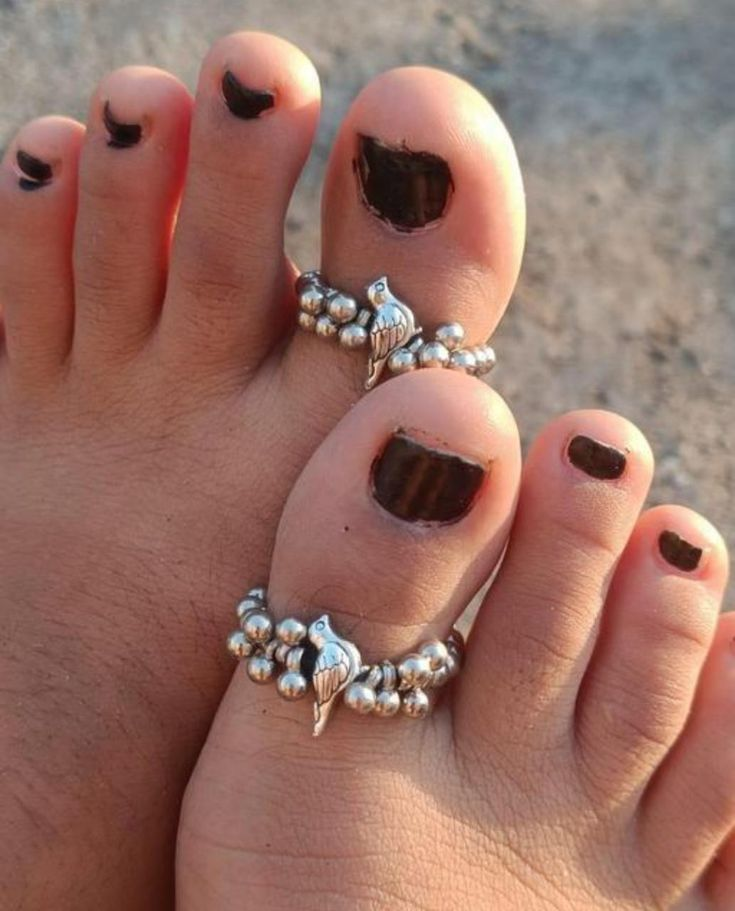
When we understand this tradition deeply, we see that bichiya is not just a piece of jewelry. It represents marriage, responsibility, spirituality, and health. Our ancestors created traditions that connected daily life with nature, the human body, and divine energy. The small ornament worn on the toe carries the wisdom of ancient Indian culture. The question “Bichiya kyon pahna jata hai?” therefore has many answers. It is a symbol of sacred marriage, feminine strength, and the beautiful balance between culture, spirituality, and science in Sanatan Dharma.



Comments